By Yasmin Chaudhary — The Inkwell Times
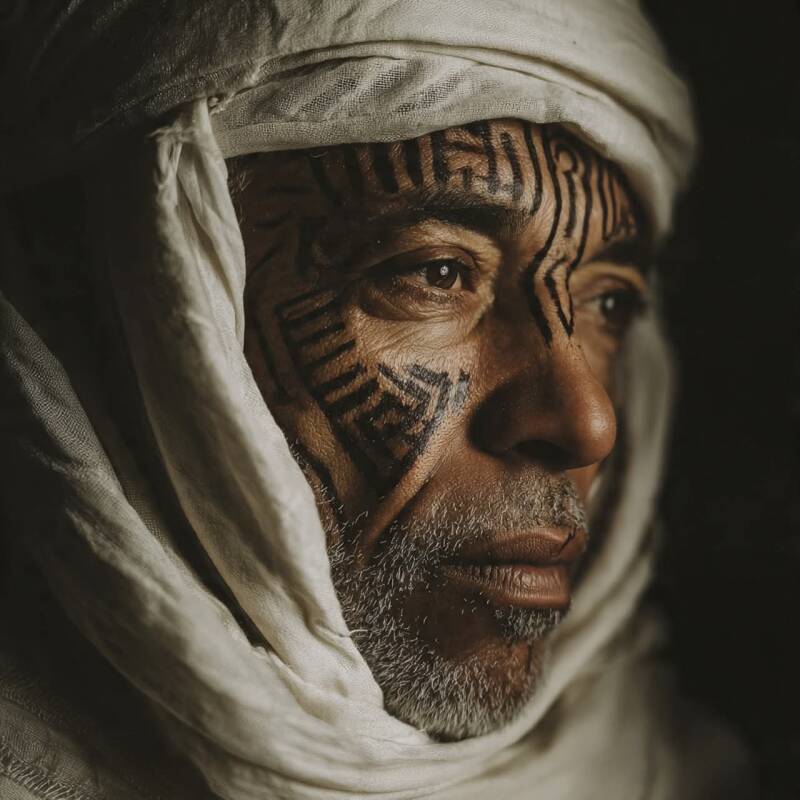
When people think of mythology, they often imagine ancient gods locked in the past. In Algeria, mythology lives differently. It survives quietly—woven into daily customs, seasonal rituals, symbols, and unspoken rules passed down through generations. Algerian mythology is not a single pantheon, but a living inheritance shaped by land, ancestry, and memory.
To understand Algerian spiritual traditions, one must begin with the Indigenous people of North Africa: the Amazigh.
The Amazigh Foundation of Algerian Mythology
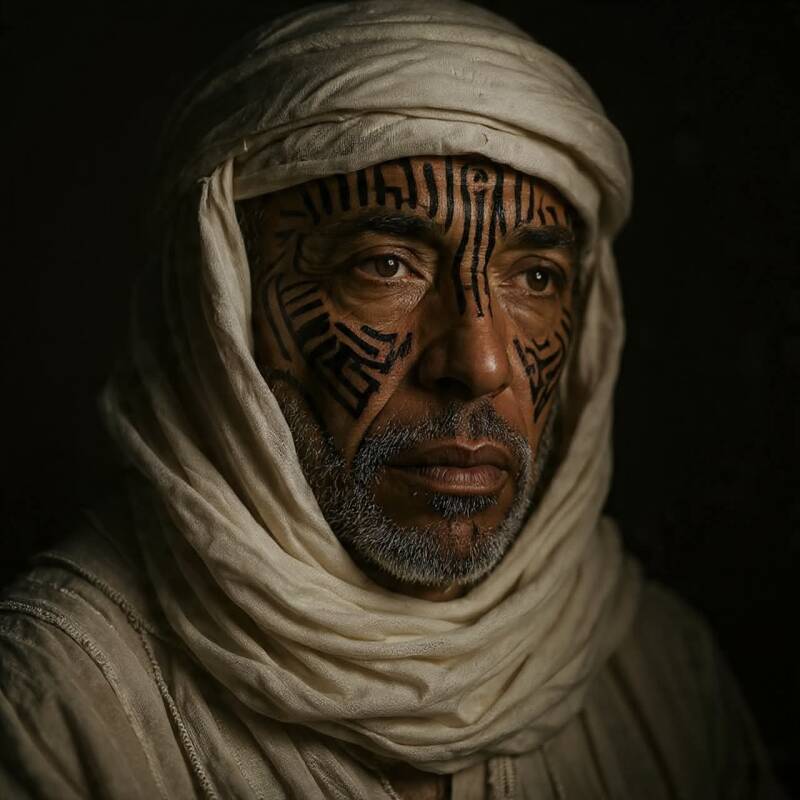
Long before Arab-Islamic expansion, the Amazigh developed belief systems deeply tied to nature. Their worldview centered on balance—between earth and sky, rain and drought, life and death. These beliefs were preserved orally, not through temples or written scripture, making them adaptable rather than rigid.
When Islam spread across Algeria in the 7th and 8th centuries, Amazigh mythology did not vanish. Instead, it blended. Many pre-Islamic beliefs were absorbed into Islamic frameworks, reinterpreted rather than erased. What remains today is a spiritual layering: Islamic faith resting atop much older ancestral wisdom.

Anzar: The Spirit of Rain and Survival
One of the most enduring figures in Amazigh mythology is Anzar, the spirit associated with rain, fertility, and life.
In traditional stories, Anzar falls in love with a human woman. When she rejects him, he withholds rain, causing drought and suffering. Only through communal rituals and offerings does rain return. The myth reflects a deeper truth: rain is not guaranteed—it is sacred.
What survives today:
• Rain-invoking rituals during droughts
• Community processions involving children, song, and symbolic offerings
• Practices now framed as du’a (Islamic supplication), but structurally ancient
Even when the name Anzar is no longer spoken aloud, the ritual remains.
Marriage, Balance, and Sacred Union
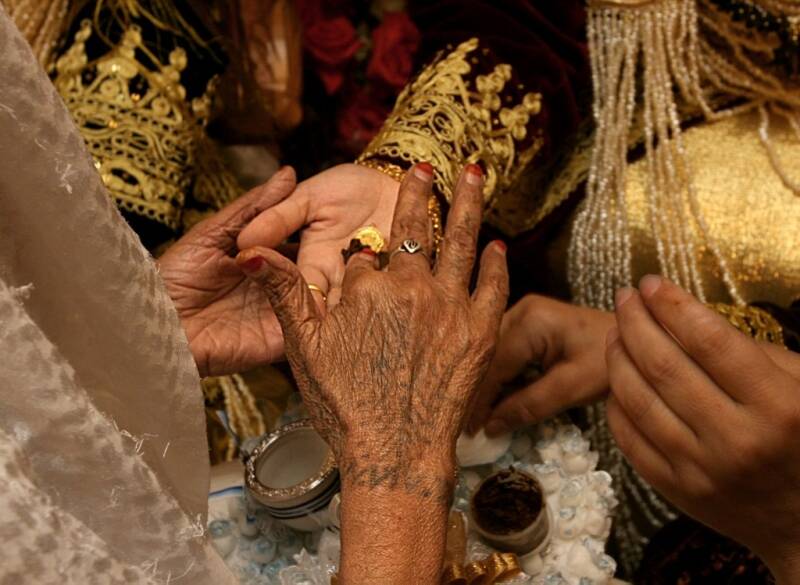
Another recurring mythological theme is the sacred balance between masculine and feminine forces, often embodied in figures such as Tislit (meaning “the bride”).
These stories influence:
- Wedding customs
- Jewelry symbolism
- Seasonal transitions
In regions such as Kabylia, wedding rituals still carry gestures rooted in these ancient beliefs—acts meant to ensure harmony, fertility, and protection for the couple. Though no longer labeled “myth,” the symbolism persists.
Spirits, Jinn, and Sacred Spaces
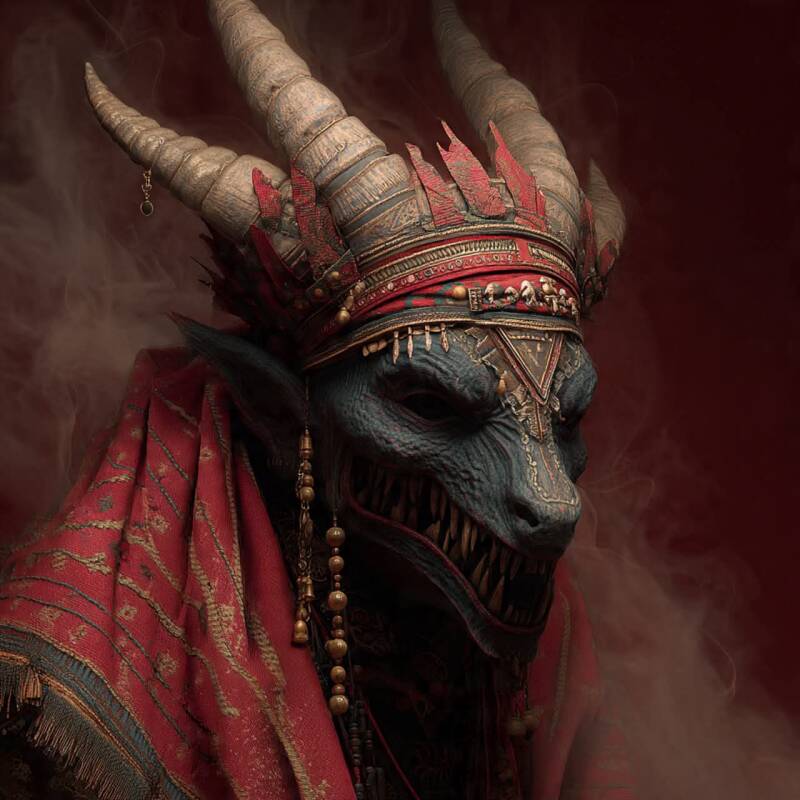
Algerian folklore includes belief in unseen beings inhabiting the natural world—mountains, forests, springs, and ruins. With the arrival of Islam, these beliefs merged with the concept of jinn, creating a layered spiritual understanding of the unseen.
Practices still observed today include:
- Avoiding certain places after sunset
- Speaking protective phrases before entering isolated areas
- Burning incense or herbs to cleanse spaces
- Respecting locations believed to “listen” or hold memory
These customs are not viewed as superstition, but as ancestral caution—knowledge learned through survival.

Symbols That Continue to Speak
Across Algeria, Amazigh symbols remain visible:
- ⵣ (Yaz) — representing freedom, identity, and resistance
- Hand motifs — protection against harm
- Geometric patterns — balance, continuity, and the cycles of life
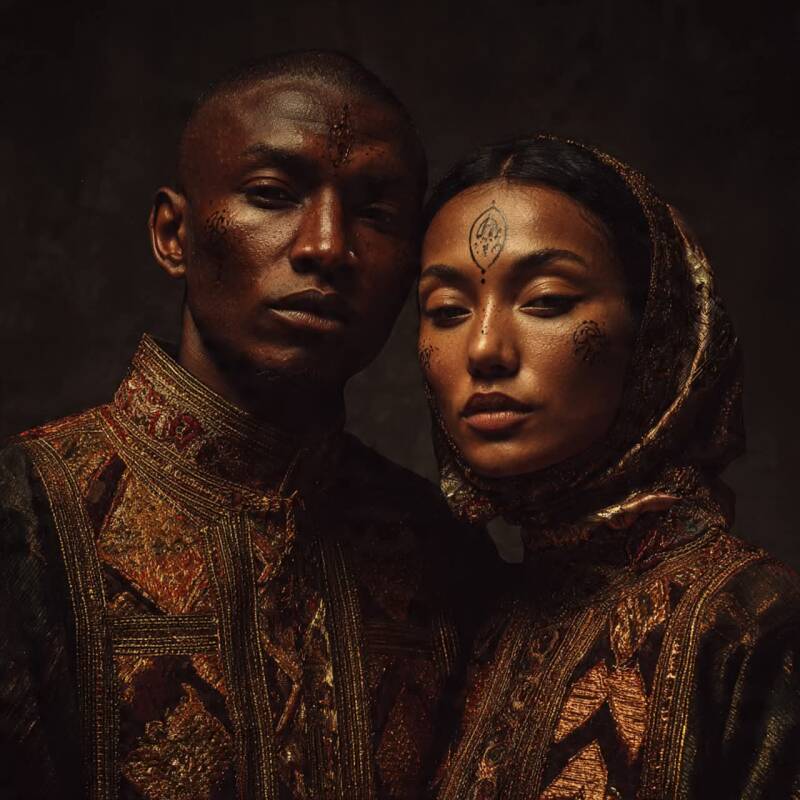
These symbols appear in jewelry, textiles, tattoos, and architecture. Many Algerians wear them today without consciously knowing their origins—yet the meaning endures.
Yennayer: The Ancestral New Year
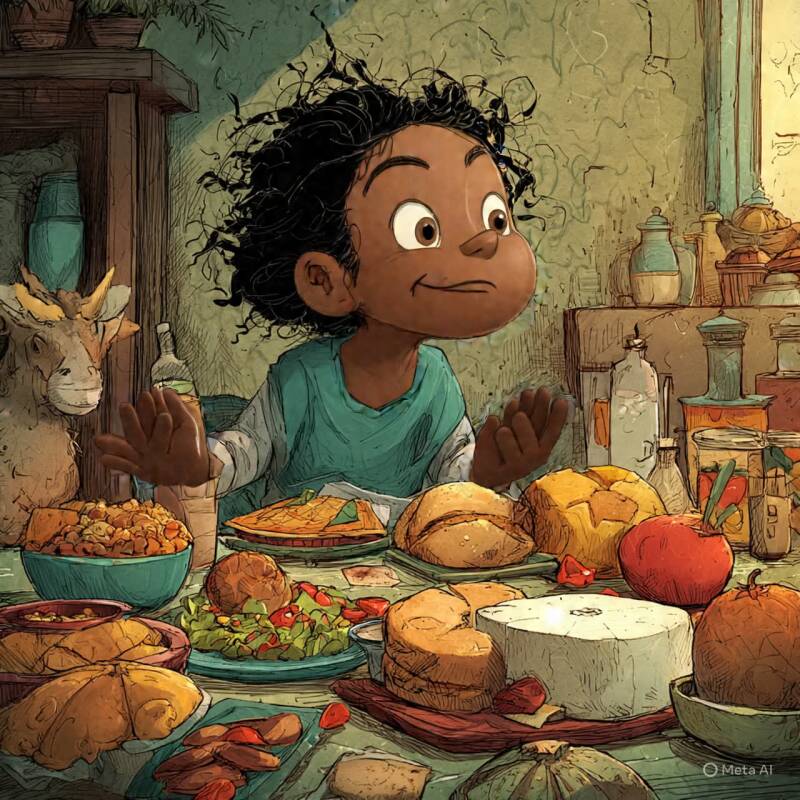
One of the clearest examples of living mythology is Yennayer, the Amazigh New Year, celebrated each January.
Yennayer honors:
- Agricultural cycles
- Ancestral blessings
- Renewal and abundance
Families prepare special meals, share stories, and offer prayers for the coming year. Algeria’s official recognition of Yennayer as a national holiday marks a powerful acknowledgment of Indigenous heritage.
Ancestral Memory in Modern Life
Today, many Algerians will say they do not “believe in mythology.” Yet they:
- Celebrate Yennayer
- Respect ancestral symbols
- Observe protective customs
- Treat nature with reverence
- Pass down oral stories
This is how mythology survives—not as doctrine, but as habit.
Why Algerian Mythology Matters
Algerian ancestral beliefs remind us that mythology does not disappear under colonization, conquest, or religion. It adapts. It hides in gestures, phrases, and communal memory.
For Algeria, mythology is not about gods long forgotten—it is about continuity, identity, and survival.
And for African history, it offers a vital truth: spirit lives wherever memory is honored.
Add comment
Comments