By Yasmin Chaudhary — The Inkwell Imprints
A Personal Note
Before I begin, I want to acknowledge that I’m writing this as a fan of both the Avatar films and Avatar: Frontiers of Pandora. Like many players and moviegoers, I was captivated not only by Pandora’s breathtaking landscapes but by the Na’vi themselves—their values, traditions, and deep respect for the world around them.
This article is an appreciation of the creative worldbuilding behind the Na’vi and the real-world inspirations that helped shape them. While the Na’vi draw from themes found in many Indigenous cultures, they are ultimately a fictional people created for the world of Avatar. My goal is to explore those inspirations with respect while celebrating one of science fiction’s most memorable civilizations.
Who Are the Na’vi?
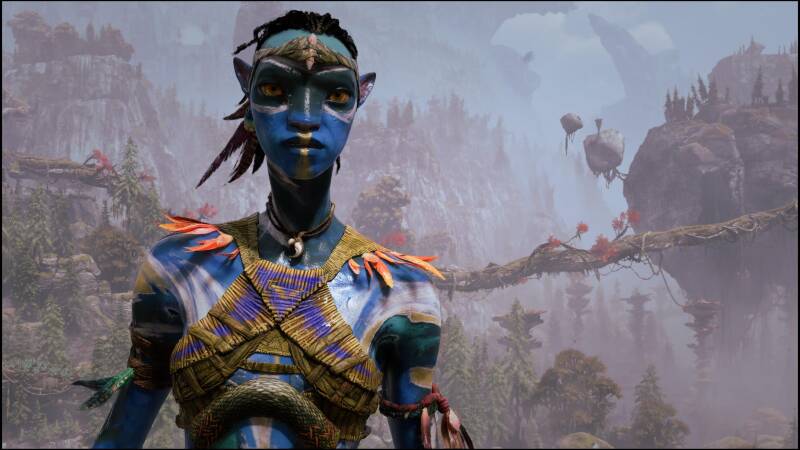
The Na’vi are the indigenous people of Pandora, a lush moon orbiting the gas giant Polyphemus. Standing nearly ten feet tall with blue striped skin, cat-like features, and long tails, they are physically adapted to the unique environment of their world. But what truly defines the Na’vi is not their appearance—it’s their relationship with each other, the natural world, and Eywa, the guiding force they believe connects all living things.
Na’vi society is organized into clans, each with its own customs, traditions, and responsibilities. Some make their homes within giant forests, while others live among reefs, mountains, or open plains. Although each clan is unique, they all share a common belief that life exists in balance and that every living creature deserves respect.
Rather than viewing themselves as rulers of nature, the Na’vi see themselves as part of it. Hunting is performed only when necessary, and every life taken is honored with gratitude. Their connection to Pandora isn’t symbolic—it’s woven into every aspect of daily life.
Pandora and the Living World
Pandora is far more than a beautiful backdrop. It is a living ecosystem unlike anything seen in science fiction.
At the center of Na’vi spirituality is Eywa, the guiding intelligence that connects every plant, animal, and Na’vi through a vast biological network. Through tsaheylu—the neural bond formed using the queue at the end of their braided hair—the Na’vi can communicate directly with many of Pandora’s creatures and even some of its plants.
This connection isn’t about control. It is built on trust, respect, and mutual understanding.
Whether bonding with an ikran to soar across the skies or riding a direhorse through the plains, every connection represents cooperation rather than domination. Even death has meaning, as life eventually returns to Eywa, continuing the endless cycle that sustains Pandora.
In many ways, Pandora itself becomes one of the story’s central characters. Its forests, floating mountains, glowing plants, and diverse wildlife constantly remind us that nature is not merely scenery—it is alive.
Indigenous Inspirations Behind the Na’vi
One of the most fascinating aspects of the Na’vi is how they were inspired by real-world cultures while remaining entirely fictional.
James Cameron and the creative team have explained that the Na’vi were influenced by numerous Indigenous cultures from around the world rather than any single nation or community. Shared themes include respect for ancestors, stewardship of the land, communal living, oral storytelling, and the belief that humanity is part of nature rather than separate from it.
These ideas can be found in many Indigenous traditions across different continents, although each culture expresses them in its own unique way.
The Na’vi language further reflects the care taken in building their world. Rather than inventing random words, linguist Dr. Paul Frommer created a complete language with its own grammar, pronunciation, and vocabulary, allowing the Na’vi to feel like a genuine people rather than simply blue aliens.
The result is a culture that feels authentic—not because it copies any one society, but because it respectfully draws inspiration from values shared by many.
Language, Community, and Connection to Nature
The Na’vi value community over individual achievement.
Children are raised within the clan, learning from elders, hunters, healers, artisans, and storytellers. Knowledge is passed from one generation to the next through experience rather than written history.
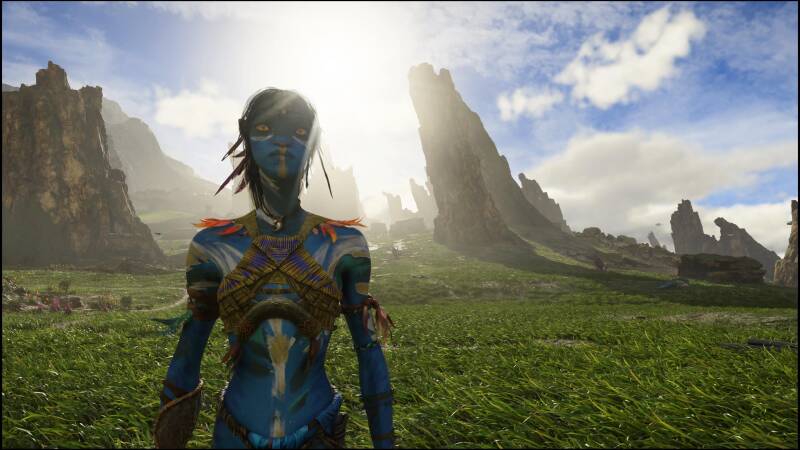
Their greeting, “I See You” (Oel ngati kameie), carries far greater meaning than simply recognizing someone’s presence. It expresses genuine understanding, acknowledging another person’s spirit, identity, and place within the world.
Every important milestone is tied to community. Choosing an ikran, participating in ceremonies, learning traditional skills, or becoming a hunter all reinforce the idea that an individual’s purpose is inseparable from the wellbeing of the clan.
Nature is never treated as a resource to exploit. Instead, it is a relationship to maintain.
Colonialism and Environmental Themes
While Avatar tells an exciting science fiction story, it also explores real-world themes that continue to shape our world today.
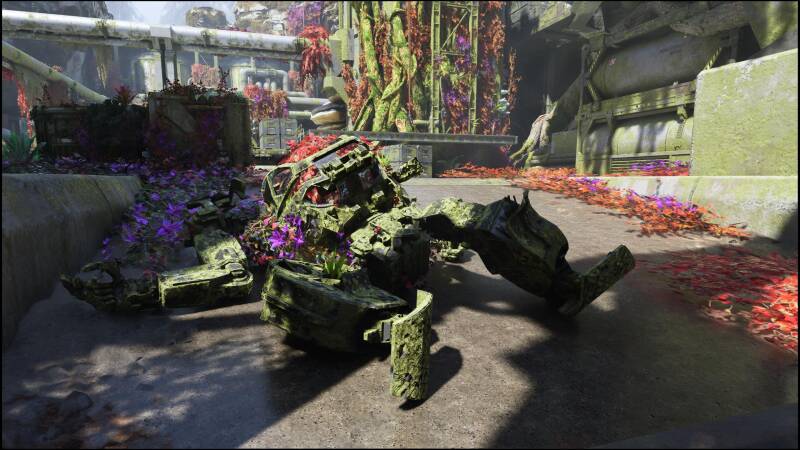
The arrival of the Resources Development Administration (RDA) brings industrial expansion, military occupation, and resource extraction to Pandora. Forests become obstacles, sacred sites become mining opportunities, and the Na’vi are pressured to abandon lands their ancestors have cared for for generations.
These conflicts echo historical examples of colonialism, where Indigenous peoples were displaced from their homes and their ways of life threatened by outside powers seeking wealth and control.
The films also raise questions about environmental responsibility. They ask whether technological progress should come at the expense of ecosystems that cannot easily be restored, and whether humanity’s relationship with nature should be one of ownership or stewardship.
Although Pandora is fictional, these themes resonate because they reflect conversations taking place in the real world.
Common Misconceptions
Despite their popularity, several misconceptions about the Na’vi continue to circulate.
The first is that they are based on one specific Indigenous culture. In reality, the Na’vi were inspired by many Indigenous traditions and philosophies rather than serving as a direct representation of any single people.
Another misconception is that Eywa represents one existing religion. While Eywa shares themes found in various spiritual traditions, she is an original creation designed specifically for the world of Avatar.
Finally, some viewers see Avatar as simply an action film about blue aliens. Yet beneath the visual spectacle lies a story about identity, belonging, environmental responsibility, community, and the consequences of exploiting both people and nature.
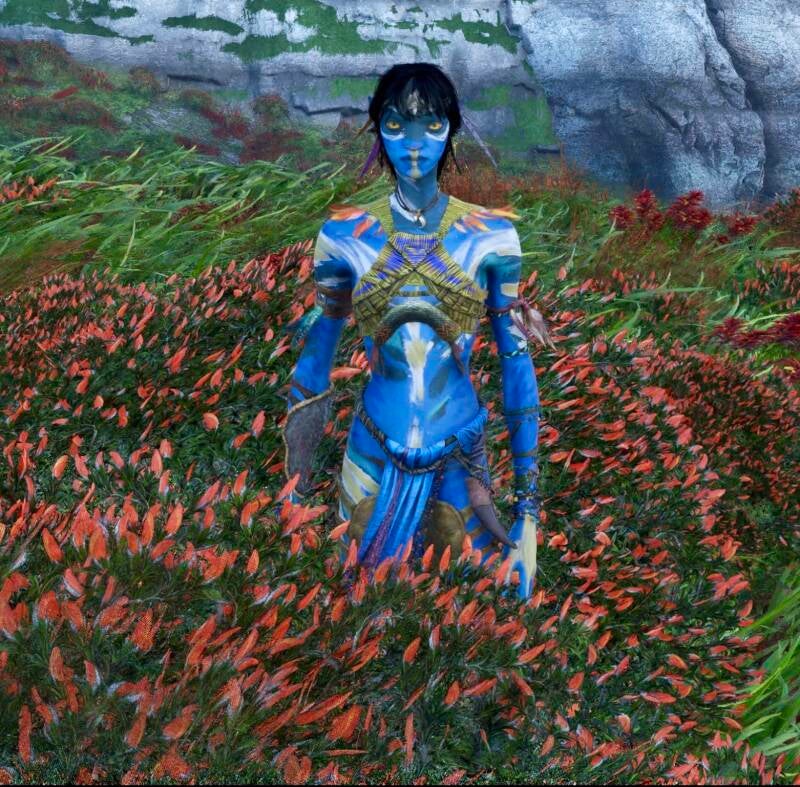
Final Thoughts
The Na’vi are more than one of science fiction’s most visually recognizable species. They remind us that strength can come from compassion, that progress should not require destruction, and that every living thing exists as part of something greater than itself.
Whether you’re watching the films or exploring Pandora in Avatar: Frontiers of Pandora, the world invites you to slow down, appreciate its beauty, and consider what it truly means to live in harmony with nature.
Perhaps that’s why the Na’vi continue to resonate with so many people. Their story isn’t just about another planet—it’s about asking ourselves what kind of relationship we want to have with our own.
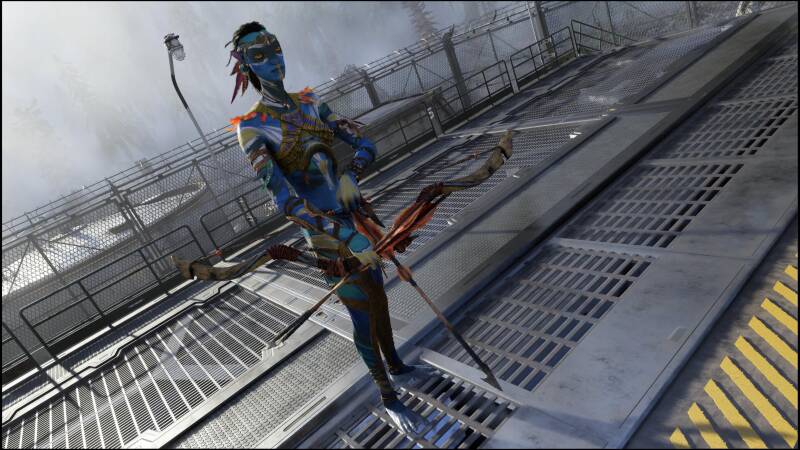
Meet My Na’vi: Yasmìre te Rìnela
Like many role-playing games, Avatar: Frontiers of Pandora gave me the opportunity to create a Na’vi whose journey felt personal.
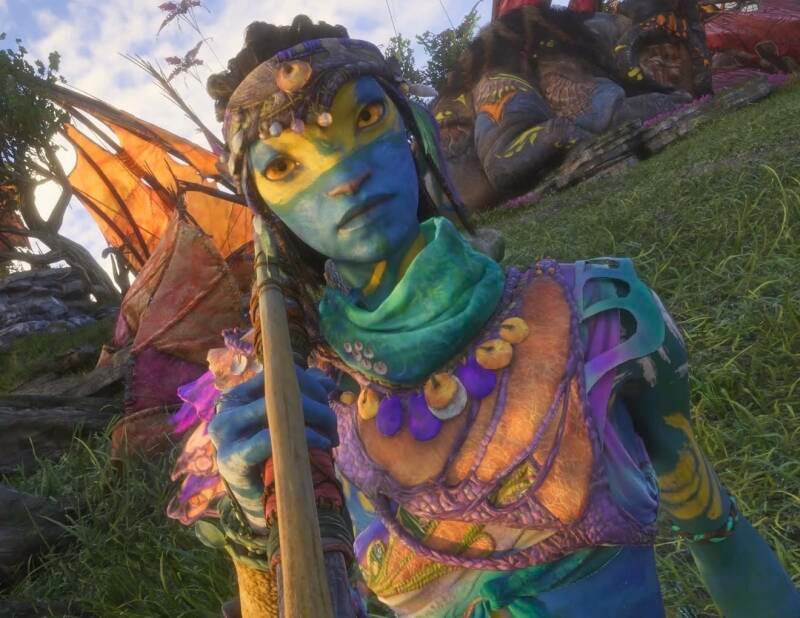
My character is Yasmìre te Rìnela, a Sarentu survivor determined to reconnect with her people while protecting Pandora from the RDA’s continued threat. Throughout her adventure, she has forged bonds with fellow Na’vi, embraced the traditions of the clans she encounters, and taken to the skies alongside her beloved ikran, Telisi.
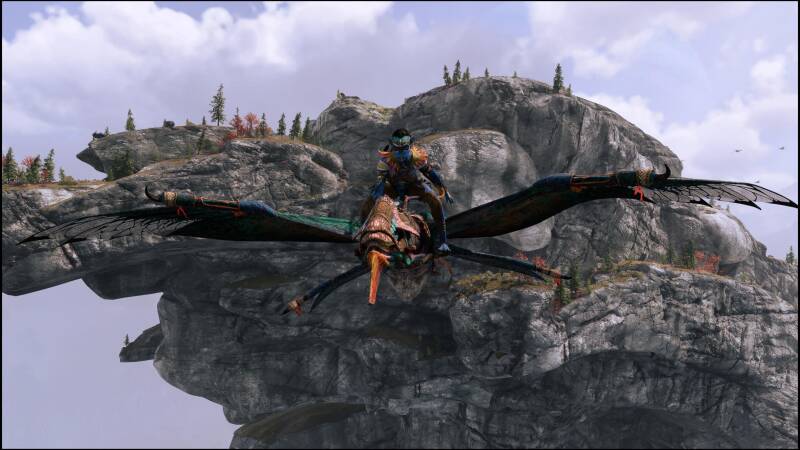
Exploring Pandora through Yasmìre’s eyes has become one of my favorite gaming experiences. Every forest, mountain, and hidden corner of the Western Frontier feels alive, making each journey feel like an adventure rather than simply another mission.
If you’d like to follow Yasmìre te Rìnela’s story, you’re welcome to join me on my playthrough of Avatar: Frontiers of Pandora on YouTube:
https://youtube.com/playlist?list=PLJhXmCSjSRHD5Zg9e4GvvOk1-Vj5PTtuC&si=fSagVMIg0XClYUK1
I hope to see you in Pandora.
Oel ngati kameie. I See You.
Add comment
Comments
I love this!!!❤️❤️ Avatar is one of my favorites!