by Yasmin Chaudhary — The Inkwell Times
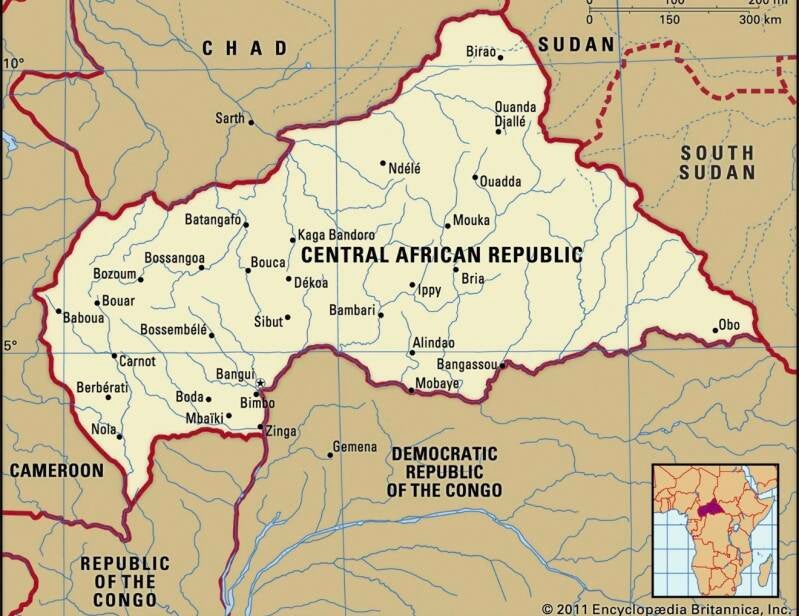
The Central African Republic is a country of remarkable cultural diversity, home to dozens of ethnic groups, languages, and traditions. Nestled in the heart of the African continent, its forests, rivers, and savannahs have shaped not only the lives of its people but also their spiritual understanding of the world.
Today, most Central Africans identify as Christian or Muslim, yet many communities continue to preserve indigenous beliefs that honor ancestors, respect the natural world, and emphasize the importance of family and community.
In the Central African Republic, spirituality is not simply practiced during moments of worship. It is woven into everyday life through remembrance, resilience, and the relationships that bind generations together.
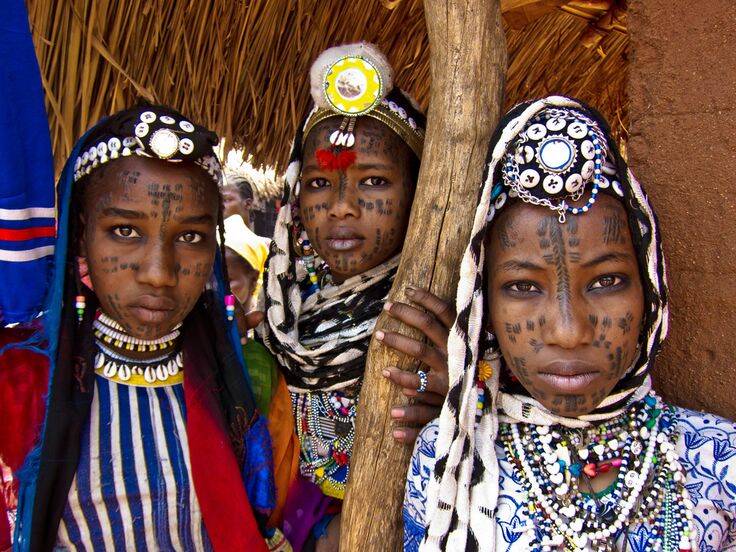
Photo By: Culture4world
The Spiritual Foundations of the Central African Republic
Long before the arrival of Christianity and Islam, the peoples of the Central African Republic practiced diverse indigenous belief systems rooted in their local environments and cultural traditions.
While customs differed among ethnic groups, many shared common beliefs centered on:
- Reverence for ancestors
- Respect for the natural world
- Community responsibility
- Spiritual balance between the living and the unseen
Knowledge was passed from one generation to the next through oral tradition, storytelling, music, and ceremony.
Rather than separating the spiritual from daily life, these traditions viewed every aspect of life as interconnected.
Ancestors as Guides and Protectors
Across many communities, ancestors are remembered as continuing members of the family.
Their wisdom, experiences, and teachings remain important long after death.
Respect for ancestors is often expressed through:
- Remembering family histories
- Honoring elders
- Caring for family burial places
- Passing traditions to younger generations
Ancestor reverence is not about worship but about acknowledging the generations whose lives continue to shape the present.
Remembering those who came before is also a reminder of responsibility to those who will come after.
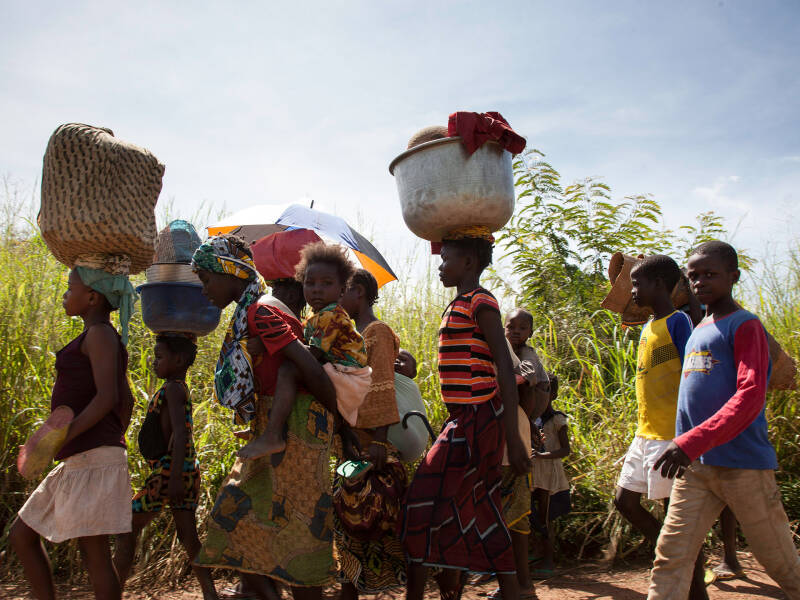
Photo By: centraldatacore
Faith in Times of Hardship
The Central African Republic has experienced decades of political instability, displacement, and humanitarian challenges.
During these difficult periods, faith has often provided communities with hope, strength, and solidarity.
Churches, mosques, and local community leaders frequently serve as places of encouragement and support, offering not only spiritual guidance but also practical assistance to families in need.
For many Central Africans, spirituality becomes a source of resilience—a reminder that hope can endure even in uncertain times.
Christianity, Islam, and Indigenous Traditions
Christianity is the largest religion in the Central African Republic, while Islam has long been practiced in many communities, particularly through historical trade routes and cultural exchange.
Alongside these faiths, indigenous traditions continue to influence everyday life.
Many families continue to value:
- Respect for elders
- Traditional naming customs
- Oral storytelling
- Community ceremonies marking important life events
Rather than disappearing, many indigenous values have continued alongside newer religious traditions, creating a spiritual landscape shaped by continuity and adaptation.
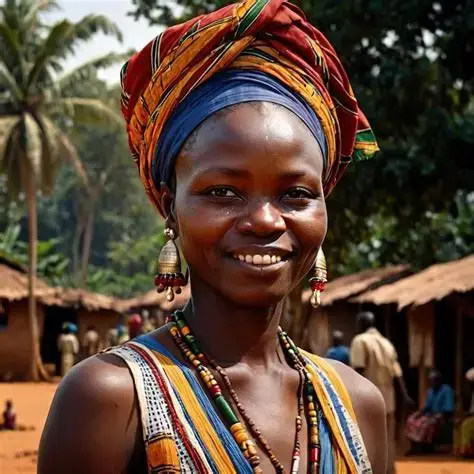
Photo By: freepik
Nature and the Sacred
The forests and rivers of the Central African Republic have long held spiritual significance.
Many traditional beliefs view nature not simply as a resource but as something deserving respect.
The natural world provides:
- Food and medicine
- Shelter and livelihood
- Cultural identity
- A connection between generations
Living in harmony with the environment has traditionally been seen as part of maintaining balance within the community.
Music, Storytelling, and Community
Stories have always been central to preserving culture in the Central African Republic.
Elders pass on knowledge through:
- Oral history
- Proverbs
- Songs
- Traditional ceremonies
Music often accompanies celebrations, rites of passage, and communal gatherings, strengthening bonds between families while preserving cultural memory.
These traditions remind younger generations where they come from and the values their communities continue to uphold.
Why the Central African Republic’s Spiritual Traditions Matter
The spiritual traditions of the Central African Republic remind us that faith is often expressed through relationships as much as rituals.
They demonstrate:
- The enduring importance of ancestors
- The strength found in community
- The resilience of cultural traditions
- The ability of faith to provide hope during hardship
The country’s spiritual heritage reflects not only belief, but perseverance.
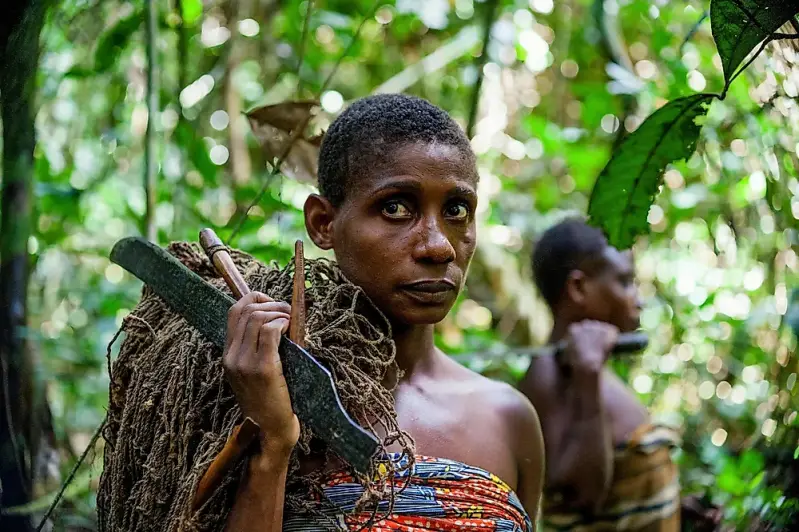
Photo By: ar.inspiredpencil
Closing Reflection
In the Central African Republic, spirit is found in endurance.
It lives in the stories shared by elders.
In the remembrance of ancestors.
In the faith that sustains communities through hardship.
And in the hope carried from one generation to the next.
Across forests, rivers, and villages, spirituality remains a quiet but enduring source of strength.
Add comment
Comments
The history of Africa is so enriching. I need to go back and look at your other entries.
Africa is an enriching continent. You know when I worked for USAID, I worked in the West African department and I always found the culture interesting. Great read, Yasmin.
Je vais admettre que mon arrogance ne savait pas combien de pays il y avait en Afrique. Je suis content d'avoir trouvé cet article. Vous devriez parler du fait que certains pays, y compris dans les Caraïbes, parlent français.
That’s a thoughtful comment! It translates to:
“I’ll admit that my ignorance didn’t realize how many countries there were in Africa. I’m glad I found this article. You should talk about the fact that some countries, including in the Caribbean, speak French.”
A warm response could be:
Thank you for reading and for your thoughtful comment! Africa is incredibly diverse, with 54 recognized countries, each with its own unique history and culture. That’s one of the reasons I started this series—to help readers discover that diversity. You also make a great point about the French language. Many African countries have French as an official language due to their colonial histories, and French is also spoken in parts of the Caribbean. It’s an interesting connection and definitely something worth exploring in a future article. Thank you for the suggestion!
Or, if you’d like to reply in French:
Merci beaucoup pour votre commentaire ! L’Afrique est un continent incroyablement diversifié, avec 54 pays reconnus, chacun ayant sa propre histoire et sa propre culture. C’est justement l’une des raisons pour lesquelles j’ai commencé cette série. Vous avez également raison concernant la langue française. De nombreux pays africains ont le français comme langue officielle en raison de leur histoire coloniale, et le français est également parlé dans plusieurs régions des Caraïbes. C’est un sujet très intéressant que j’aimerais explorer dans un futur article. Merci pour votre suggestion !