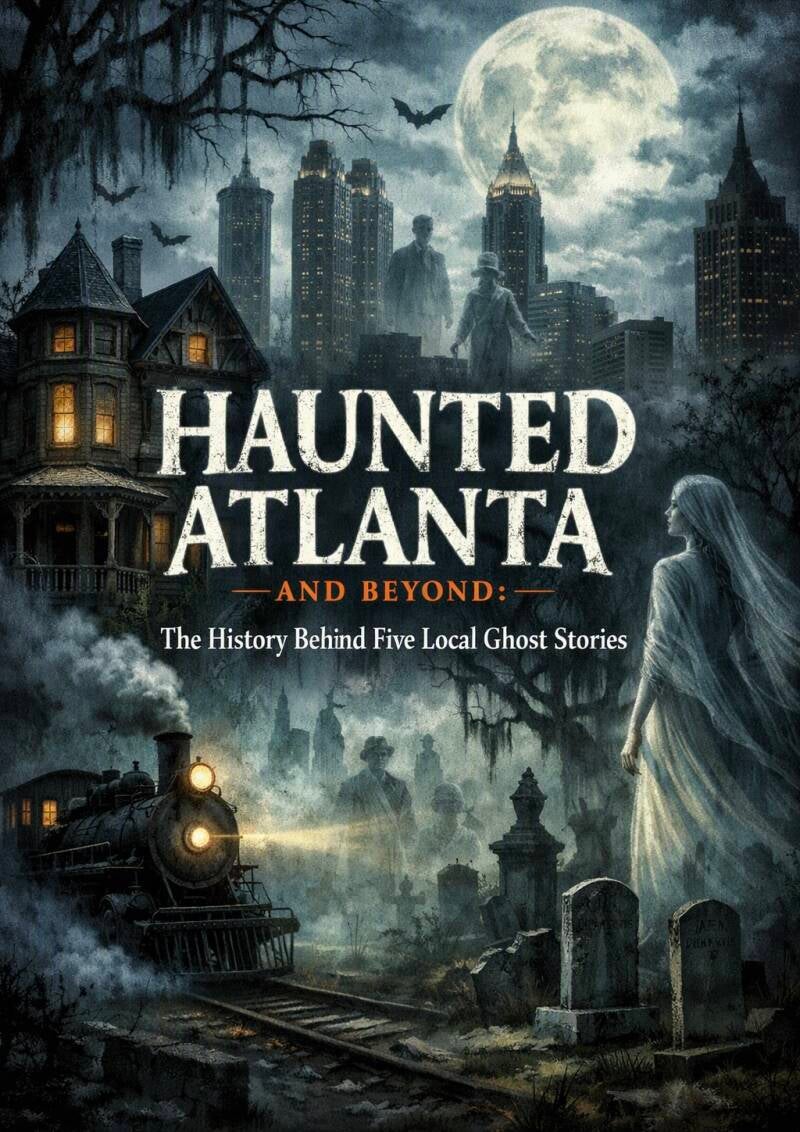
By Yasmin Sultana Chaudhary | The Inkwell Times
There is something about an old staircase, an empty hallway, or a quiet battlefield that makes a ghost story feel a little closer.
Atlanta and its surrounding communities have plenty of those stories. Hotels, historic houses, theaters, and battlefields have gathered tales of footsteps without a visible source, unfamiliar figures, and rooms that leave visitors uneasy.
For October, I wanted to explore five places where history and haunting legends meet. The historical events are documented; the supernatural accounts remain stories and reported experiences. That distinction leaves plenty of room for a good shiver.
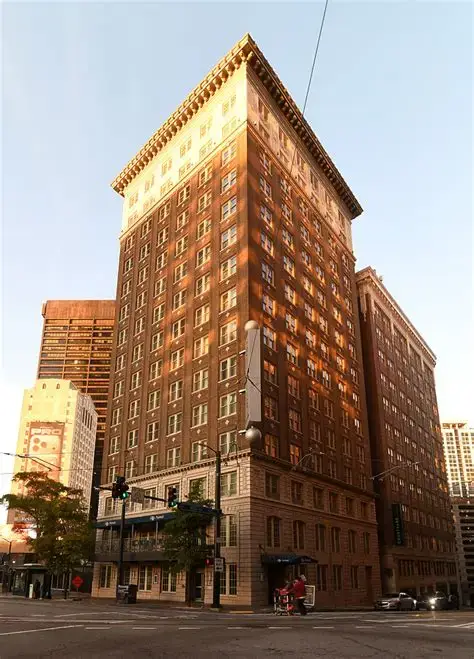
Subject: The Ellis Hotel Source: SkyDB
The Ellis Hotel: A tragedy behind the legends
Before it became the Ellis Hotel, this downtown Atlanta building was the Winecoff Hotel. In the predawn hours of December 7, 1946, a fire killed 119 people in what the Georgia Historical Society identifies as the deadliest hotel fire in U.S. history.
The building had neither fire escapes, fire doors, nor sprinklers. Today, a historical marker commemorates the victims, survivors, and firefighters.
Ghost lore adds another layer. Southern Spirit Guide recounts claims of renovation workers hearing voices and footsteps from empty rooms, finding tools moved or missing, and people outside seeing distressed faces in windows.
Those accounts belong to the hotel’s haunting reputation. The fire itself needs no supernatural embellishment to be devastating. Whatever someone believes about the ghost stories, the people who died deserve to remain at the center of its history.
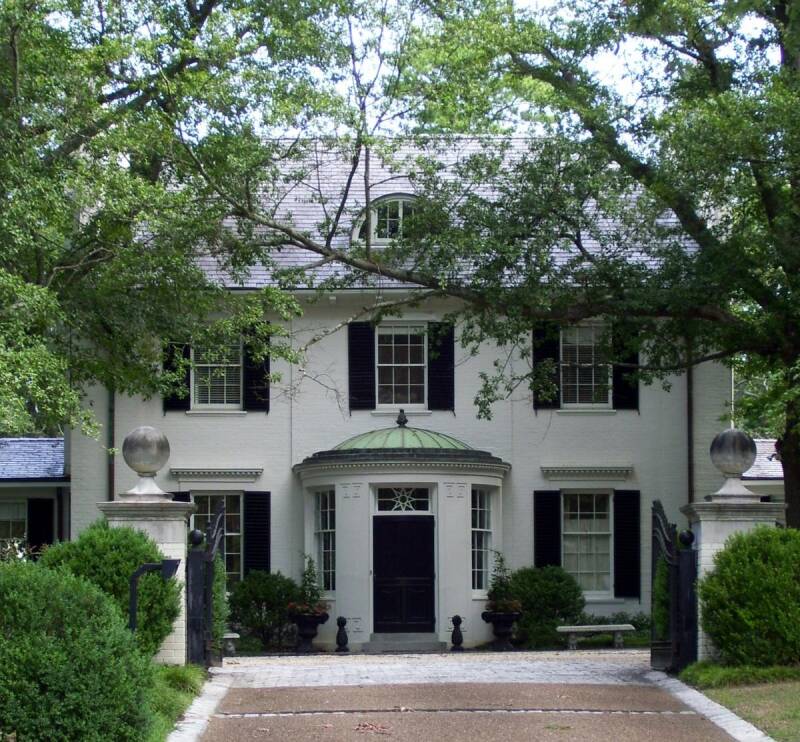
Subject: Thornton House Source: Buckhead Heritage
Thornton House: The girl on the staircase
At Stone Mountain Park, outside Atlanta proper, Thornton House has a legend that sounds almost mischievous.
The Atlanta Journal-Constitution, citing Ghosts of Atlanta: Phantoms of the Phoenix City, recounts stories of a preteen girl’s apparition on the stairs. The same legend says she pulls the hair of teenage girls visiting the home.
Historical sources differ on the house’s precise construction date, placing it in the late eighteenth century. It was relocated before reaching its setting at Stone Mountain Park.
A staircase is unsettling enough when you hear a noise upstairs and know nobody should be there. Add a story about someone tugging your hair, and I would probably spend the visit looking over my shoulder.
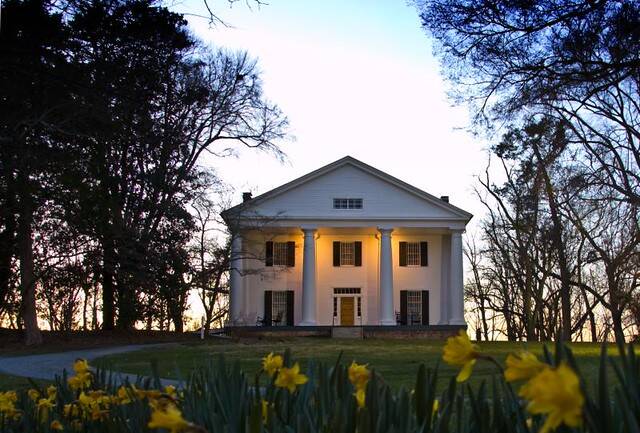
Subject: Bulloch Hall Source: Flickr
Bulloch Hall: A well and an unresolved legend
Bulloch Hall stands in Roswell. Its published history records that enslaved people built the house in 1839 for James Stephens Bulloch and his wife, Martha.
That history matters whenever we discuss the property, including its ghost stories.
A Southern Spirit Guide account of a Roswell ghost tour describes a well behind the house where, according to the tour, a young enslaved girl may have died. The well and reconstructed slave quarters were presented as locations associated with paranormal activity.
The account does not establish the girl’s identity or document her death. The story should therefore remain an attributed legend.
Bulloch Hall’s exhibits also commemorate enslaved people whose names survive in historical records. Their lives deserve attention alongside any tales told about the grounds.
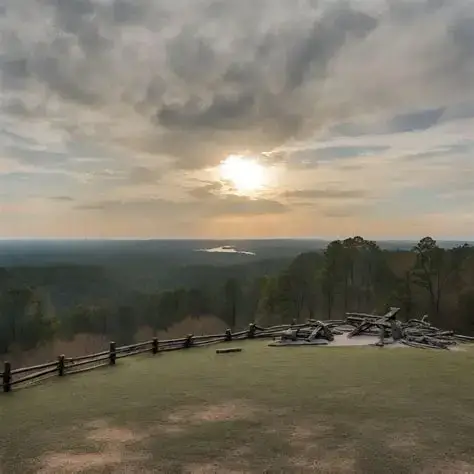
Subject: Kennesaw Mountains Sources: Atlanta Ghosts
Kennesaw Mountain: Soldiers in the quiet
Kennesaw Mountain National Battlefield Park preserves part of the Atlanta Campaign. The National Park Service dates fighting in the area from June 19 through July 2, 1864, with the major assault occurring on June 27.
Atlanta News First recounts legends of ghostly soldiers around the battlefield and nearby homes, including figures reportedly seen by hikers.
These sightings are part of local folklore. The battlefield’s wartime history is documented independently of them.
What draws me to battlefield stories is the contrast between a place’s present quiet and what happened there. You can walk through a peaceful landscape while knowing it once held fear, injury, and loss. That knowledge alone can make the silence feel different.
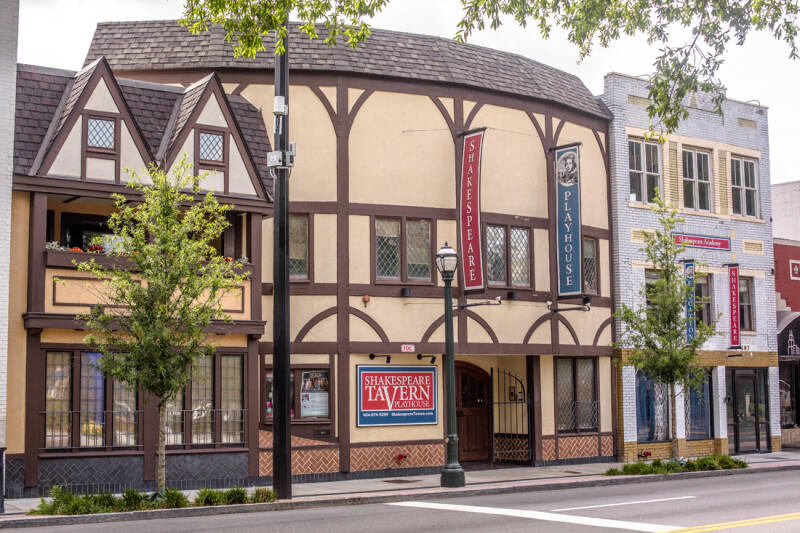
Subject: Shakespeare Tavern Playhouse Sources: CVLGA
Shakespeare Tavern Playhouse: Something backstage?
At Atlanta’s Shakespeare Tavern Playhouse, the ghost stories move behind the curtain.
Eater Atlanta reports claims from guests and staff of unexplained voices, lights, shadows, and ghostly figures near backstage dressing rooms. Atlanta News First also recounts stories of a boy in a blue suit and a woman in Elizabethan clothing.
These are reported experiences and theater lore. They do not establish a particular ghost’s identity or a verified death connected to the building.
Still, an unfamiliar figure backstage would certainly give the evening a twist. I would prefer my unexpected appearances to stay onstage.
The history that stays with us
I enjoy a ghost story that makes me wonder what I would do if I heard those footsteps myself. But researching these places also means remembering that some legends sit beside real suffering.
A hotel fire, slavery, and a battlefield each deserve care in the telling.
Whether you believe in spirits, enjoy the folklore, or simply love old buildings, these five places offer stories that reach beyond their walls. Sometimes the chill comes from the legend. Sometimes it comes from learning what really happened there.
Sources and Further Reading
Historical background
● Georgia Historical Society — The Winecoff Fire
● SAH Archipedia — Dickey House and the relocated historic buildings at Stone Mountain
● Bulloch Hall — Permanent Exhibits
● National Park Service — Kennesaw Mountain National Battlefield Park
Ghost stories and reported experiences
● Southern Spirit Guide — Phantoms from the Fire
● The Atlanta Journal-Constitution — The Most Haunted Old Houses in Atlanta
● Southern Spirit Guide — The Roswell Ghost Tour
● Atlanta News First — 10 of Atlanta’s Most Haunted Places
● Eater Atlanta — Haunted Restaurants, Bars, and Hotels in Atlanta
Add comment
Comments