
By Yasmin Chaudhary — The Inkwell Imprints
Vodun is not myth frozen in time. It is not folklore, superstition, or spectacle.
In Benin, Vodun is alive.
It breathes through ritual, memory, ancestral presence, and the sacred relationship between the visible and invisible worlds. To understand Benin’s spiritual life is to understand Vodun not as something that survived the past—but as something that continues, fully practiced, fully believed, and fully present today.
Benin: The Spiritual Heart of Vodun
Benin is widely recognized as the birthplace and spiritual heartland of Vodun (sometimes spelled Vodoun or Vodun). Long before colonial borders, the region—once home to the powerful Kingdom of Dahomey—developed sophisticated religious systems centered on balance, ancestry, and divine forces embedded in nature.
Vodun is not a single god-based religion. It is a spiritual system, one that recognizes a supreme creator force alongside a vast network of spirits, ancestors, and natural energies that govern everyday life.
What Vodun Actually Is (and Is Not)
Vodun has been deeply misrepresented—especially in Western media—where it is often conflated with fear-based caricatures.
In truth, Vodun is:
- A religion of relationship, not domination
- A system of balance, not punishment
- A practice of responsibility, not chaos
At its core, Vodun teaches that nothing exists in isolation. Humans, spirits, ancestors, land, and water are all connected.
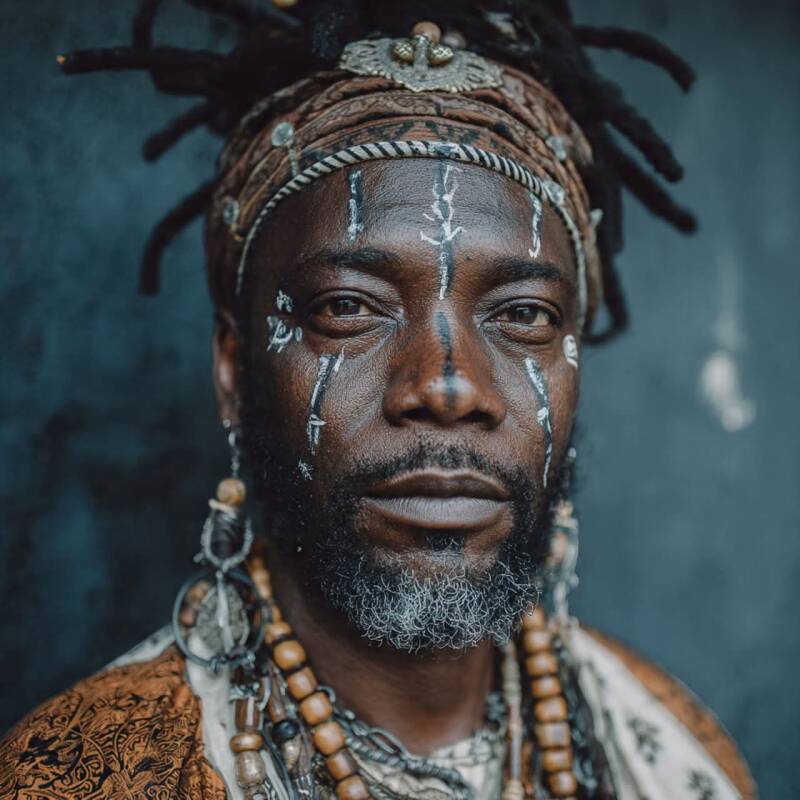
The Vodun Deities (Vodun Spirits)
In Vodun belief, spirits—often called vodun—serve as intermediaries between humans and the divine.
Some widely revered spirits include:
- Legba — guardian of crossroads and communication
- Dan — represented as a cosmic serpent, symbolizing continuity and protection
- Mami Wata — water spirit associated with healing, beauty, and transformation
Each vodun governs specific aspects of life and must be approached with respect, offerings, and ethical responsibility.
Ancestors: The Living Dead
In Beninese spirituality, ancestors are not gone. They are “the living dead”—present, aware, and involved.
Ancestors:
• Protect families
• Mediate between humans and spirits
• Must be honored through remembrance
Still practiced today:
• Libation pouring
• Household shrines
• Naming children after ancestors
• Consulting elders and priests
This reverence is not worship—it is kinship.
Ritual, Ceremony, and Daily Life
Vodun rituals are not rare events. They are woven into everyday existence.
Ceremonies may include:
- Drumming and dance
- Chanting and invocation
- Offerings of food, drink, or symbolic items
- Spirit possession (viewed as sacred communion, not loss of control)
Possession is understood as a moment when a spirit chooses to speak through a human body—an honored role, not something feared.
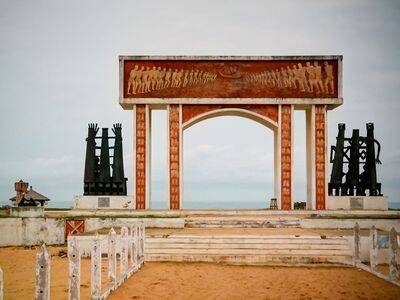
Ouidah: A Sacred Landscape
Ouidah is one of the most spiritually significant cities in Benin. It is home to temples, shrines, and sacred spaces—including the Temple of Pythons—where Vodun continues to be practiced openly.
Every year, Benin celebrates Vodun Day on January 10th, officially recognizing Vodun as a national religion and honoring its priests, practitioners, and ancestral traditions.
This public recognition is rare—and powerful.
Colonialism, Christianity, and Survival
European colonization and Christian missionaries attempted to suppress Vodun, labeling it “primitive” or “evil.” Sacred objects were destroyed. Rituals were forced underground.
But Vodun endured.
It adapted. It blended when necessary. It remained intact at its core.
Even today, many Beninese practice Christianity alongside Vodun—not as contradiction, but as coexistence.
Vodun Beyond Benin
Vodun traveled across the Atlantic through the forced displacement of enslaved Africans. From it emerged related traditions such as Haitian Vodou, Cuban Vodú, and Brazilian Candomblé.
But it is important to name this truth clearly:
Vodun in Benin is not a derivative. It is the source.
Why Vodun Matters Today
Vodun challenges how religion is often framed:
- It centers community over hierarchy
- It honors women as spiritual leaders
- It recognizes the sacred in nature
- It refuses separation between life and spirit
In Benin, Vodun is not revival—it never left.
Closing Reflection
Vodun is memory made ritual. Ancestor made presence. Faith made daily.
In Benin, spirit does not belong to the past. It belongs to the people—still praying, still dancing, still remembering.
And that is what living faith looks like.
Add comment
Comments