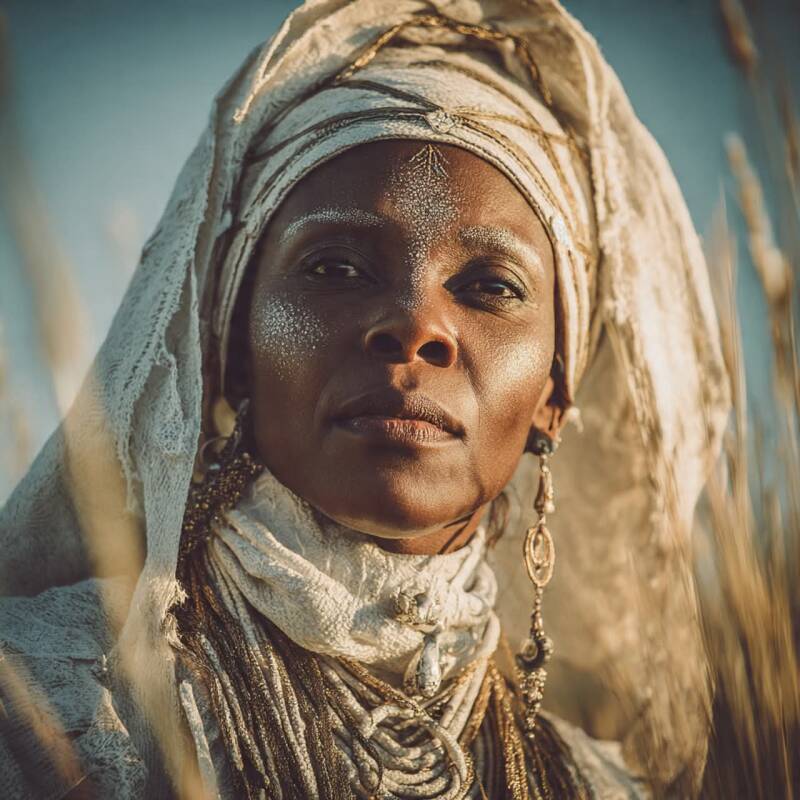
By Yasmin Chaudhary — The Inkwell Times
In Botswana, spirituality is not loud. It does not demand spectacle or constant declaration. It is practiced through balance—between people and land, the living and the dead, the seen and the unseen.
Botswana’s spiritual traditions are rooted in respect: for ancestors, for elders, and for the land itself. These beliefs have endured not because they resisted change outright, but because they adapted quietly—woven into daily life rather than separated from it.
Botswana’s Spiritual Foundations
Botswana is home primarily to Tswana-speaking peoples, whose belief systems emphasize harmony rather than hierarchy. Unlike rigid pantheons or centralized religious authority, Tswana spirituality centers on relationship—with ancestors, community, and environment.
Spiritual knowledge is passed orally, through elders and lived example. There is no single sacred text. Wisdom is carried in practice.
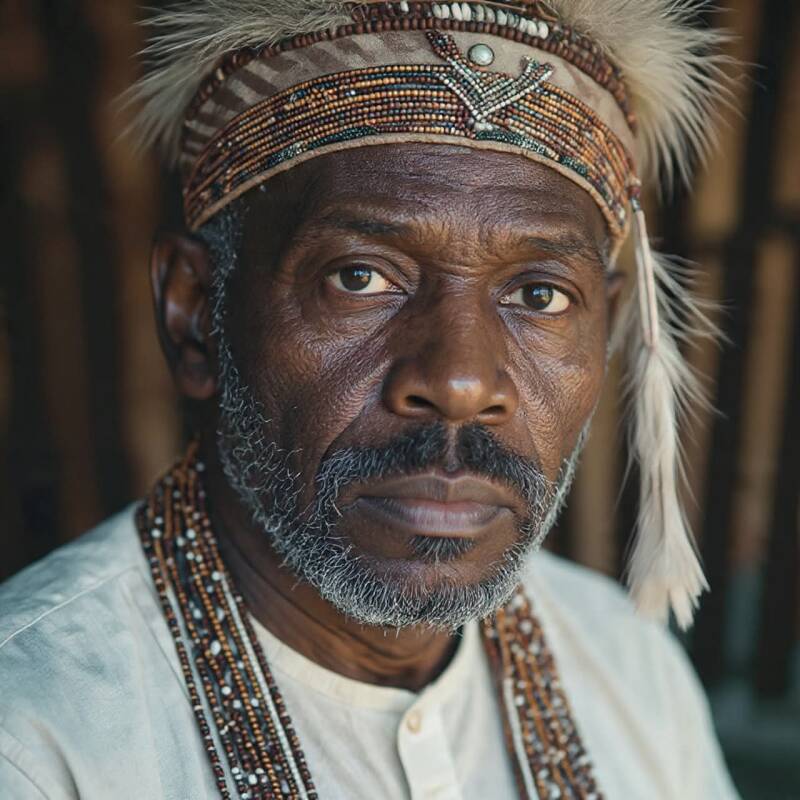
Ancestors as Guides, Not Gods
In traditional Tswana belief, ancestors are not worshipped—but they are acknowledged.
Ancestors are understood to:
- Watch over families
- Offer guidance through dreams or intuition
- Influence well-being and fortune
When imbalance occurs—illness, misfortune, or social conflict—it is often understood as a disruption in relationship rather than divine punishment.
Practices that still endure today include:
- Speaking ancestors’ names
- Pouring libations before important events
- Seeking counsel from elders
- Observing family rituals tied to remembrance
Ancestor reverence is about continuity, not control.

The Sacredness of Land
Land holds spiritual weight in Botswana.
Cattle posts, homesteads, burial grounds, and ancestral land are treated with care because they are understood to carry memory. The land is not owned in a purely transactional sense—it is inherited, shared, and protected.
This worldview influences:
- Communal land stewardship
- Respect for natural resources
- Careful use of water in arid regions
Spiritual balance is tied directly to ecological balance.
Traditional Healers and Spiritual Intermediaries
Traditional healers—often referred to as dingaka—serve as intermediaries between the physical and spiritual worlds. Their role is not mystical showmanship but diagnosis and restoration.
Healers may:
• Interpret dreams
• Identify spiritual imbalance
• Prescribe herbal remedies
• Facilitate reconciliation between individuals and ancestors
Even in modern Botswana, traditional healing exists alongside Christianity and Western medicine—not in opposition, but in coexistence.
Christianity and Spiritual Adaptation
Christianity arrived in Botswana through missionaries, but it did not erase Indigenous belief systems. Instead, many Botswanans practice Christianity while continuing ancestral customs.
Prayer may coexist with libation. Church attendance may coexist with ancestral rituals.
This blending reflects Botswana’s spiritual pragmatism: belief is judged by whether it restores balance, not by exclusivity.
Balance as Spiritual Philosophy
At the heart of Botswana’s spiritual worldview is balance:
- Between individual and community
- Between past and present
- Between land and survival
Excess—whether emotional, material, or spiritual—is discouraged. Stability is valued over dominance.
This philosophy is reflected in Botswana’s broader social fabric: governance, conflict resolution, and community life.
Why Botswana’s Spiritual Traditions Matter
Botswana’s ancestral beliefs challenge modern assumptions about spirituality:
- That faith must be loud to be real
- That belief must be centralized to be valid
- That tradition must resist change to survive
Instead, Botswana shows us that spirituality can endure through quiet continuity.
Closing Reflection
In Botswana, spirit lives in restraint. In listening. In remembering who came before and honoring the land that remains.
Ancestral belief here is not about reaching upward. It is about staying grounded.
And sometimes, that is the most powerful faith of all.
Add comment
Comments