By: Yasmin Chaudhary — The Inkwell Times
Before beginning today’s article, I want to offer a small apology to readers for the lack of recent posts. The past few months have been unexpectedly busy, and writing consistently became harder than I anticipated. Still, returning to the blog on a day as meaningful as Eid al-Adha feels especially important. Holidays often carry history forward through generations, and Eid al-Adha is one of the oldest and most spiritually significant observances in the Islamic world.
Celebrated by millions of Muslims worldwide, Eid al-Adha — often translated as the “Festival of Sacrifice” — commemorates the story of the Prophet Ibrahim and his willingness to sacrifice his son as an act of obedience to God. According to Islamic tradition, just before the sacrifice could occur, God intervened and provided a ram in the son’s place. The event became a lasting symbol of faith, devotion, mercy, and trust in divine guidance.
The origins of Eid al-Adha date back thousands of years and are deeply connected to the Abrahamic traditions shared across Islam, Christianity, and Judaism. In Islam, Ibrahim is regarded as one of the greatest prophets, remembered for his steadfast belief and unwavering commitment to God even during moments of immense personal hardship. Muslims believe the story serves not only as a lesson in obedience but also as a reminder of compassion, humility, and sacrifice for the greater good.
The holiday takes place during Dhul Hijjah, the final month of the Islamic lunar calendar, and coincides with the annual Hajj pilgrimage in Mecca. Each year, millions of Muslims travel to the holy city to complete one of the Five Pillars of Islam. Pilgrims visit sacred sites including Masjid al-Haram and participate in rituals that honor the experiences of Ibrahim, his wife Hajar, and their son.
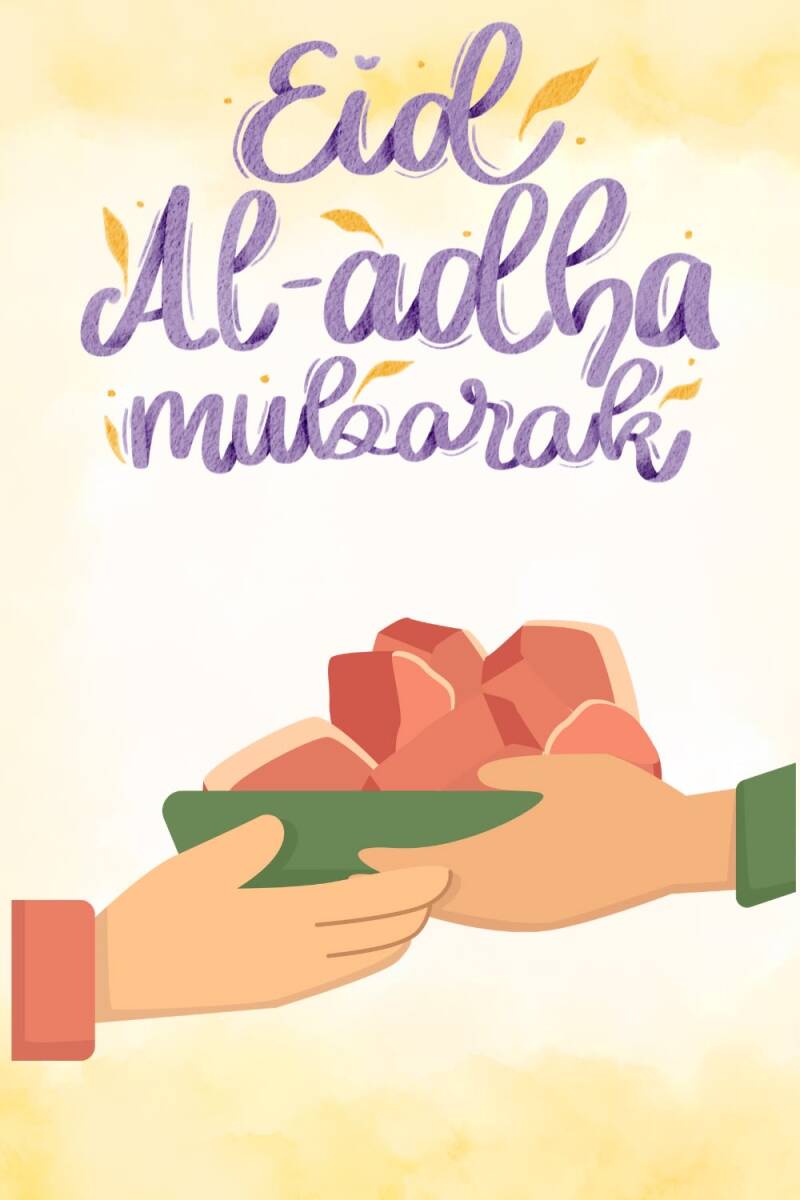
One of the central traditions associated with Eid al-Adha is qurbani, or ritual sacrifice. Families who are financially able sacrifice an animal such as a sheep, goat, cow, or camel. The meat is traditionally divided into three portions: one for the family, one for relatives and friends, and one for those in need. Historians note that the practice historically reinforced communal care and ensured poorer families could also share in the holiday’s celebrations.
As Islam spread from the Arabian Peninsula into regions including South Asia, North Africa, Central Asia, and parts of Europe, Eid traditions evolved to reflect local cultures while maintaining the holiday’s spiritual foundation. In Pakistan, for example, Eid mornings often begin with communal prayers followed by large family gatherings and elaborate meals featuring dishes such as biryani, korma, kebabs, and sheer khurma. In Turkey, families frequently visit elders and cemeteries to honor deceased relatives, while in parts of Africa and the Middle East, entire communities gather for public celebrations and charitable distribution of food.
Religious scholars often emphasize that the meaning of Eid al-Adha extends beyond the act of sacrifice itself. The holiday encourages reflection on generosity, gratitude, and personal responsibility toward others. Charity plays a major role in Eid observances, particularly during times of economic hardship when food insecurity remains a concern in many parts of the world.
Today, Eid al-Adha continues to unite Muslims across cultures, languages, and national borders. From crowded city streets to quiet family homes, the holiday remains centered on prayer, remembrance, and community. For many families, it is not only a religious observance but also a deeply emotional tradition tied to childhood memories, family gatherings, and cultural identity.
As celebrations continue around the world today, Eid al-Adha remains a powerful reminder of faith, sacrifice, and the enduring importance of compassion in both religion and daily life.
Eid Mubarak to all those celebrating.
My own family shares a personal connection to the pilgrimage. My father completed the Hajj in 2024, joining millions of Muslims from around the world in Mecca during one of the most spiritually significant journeys in Islam. For many families, Hajj is not only a religious milestone but also a deeply emotional experience that can shape generations of family history and faith.
Add comment
Comments