
Author’s Note
Before we begin, I wanted to offer a brief apology for the delay in this series. My goal was to publish these articles throughout February for Black History Month, and many of them had already been researched and written well in advance. Unfortunately, I spent much of the last few months recovering from cellulitis while also focusing on managing my Type 2 diabetes.
I appreciate your patience as I continue working through this project. Exploring the history, food, and spiritual traditions of every African nation remains a journey that means a great deal to me, and I am excited to continue sharing it with you.
— Yasmin Chaudhary
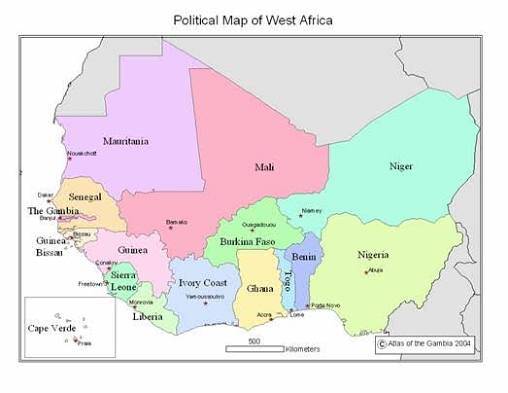
Cabo Verde sits off the west coast of Africa, but it has never existed in isolation. As an archipelago shaped by volcanic land and Atlantic winds, it became a meeting point between Africa, Europe, and the Americas. That in-between identity shows up everywhere—language, music, family ties across continents, and especially in food.
Cabo Verde developed under Portuguese colonization, and that legacy is deeply woven into its culture. But what makes Cabo Verde unique is how its people transformed scarcity into identity. Repeated droughts and limited fertile land meant survival was never guaranteed. Instead of abundance, the islands built a cuisine around endurance.
Corn and beans became the backbone of daily life. Not because they were luxurious, but because they could survive harsh conditions. Over time, these ingredients became something more than sustenance—they became memory, comfort, and identity. Meals weren’t rushed. They were slow, shared, and stretched across families and neighbors.
Cachupa sits right at the heart of that tradition. It’s not just a dish—it’s a way of life simmered in a pot. Every household has its own version, and nothing about it is exact. Some versions are lean and simple. Others are rich with meat, sausage, or fish depending on what was available. That flexibility tells you everything about Cabo Verdean resilience.
And then there’s the diaspora—arguably one of the most important parts of the story. So many Cabo Verdeans live outside the islands, especially in the United States and Portugal. In places like Massachusetts and Rhode Island, cachupa isn’t just food—it’s memory preservation. It tastes like home even when home is an ocean away.
That’s why Cabo Verde feels different in this series. It’s not rooted in farming cycles—it’s rooted in movement. The ocean is the archive. Migration is the thread. And food is what keeps it all from unraveling.
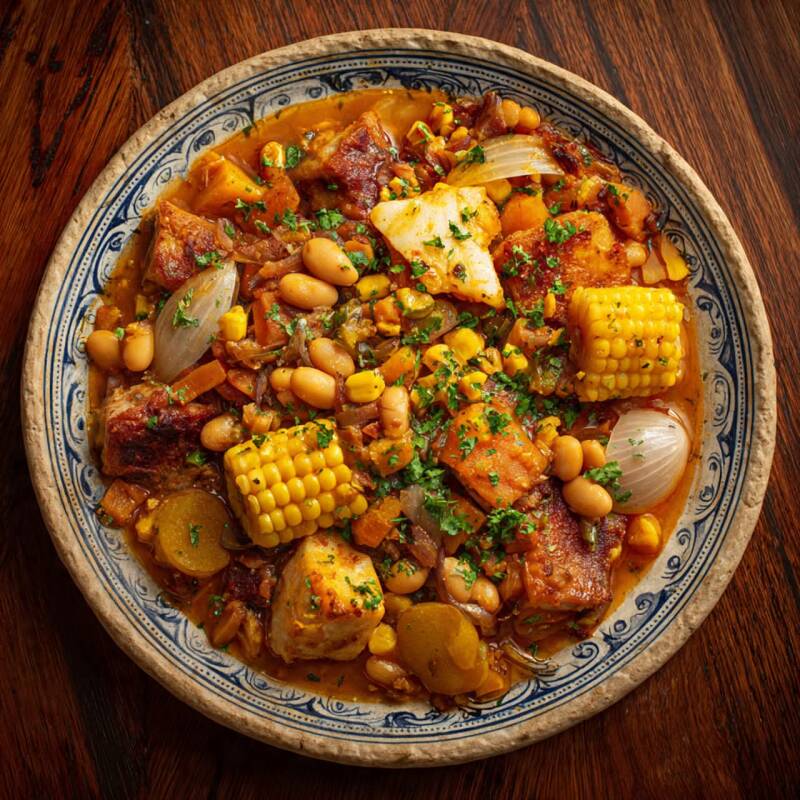
Easy Cachupa (Simple Home Version)
This is a beginner-friendly version that keeps the spirit of the dish without requiring specialty ingredients or overnight prep.
Ingredients:
- 1 cup canned chickpeas (or cooked dried beans)
- 1 cup canned kidney beans (or any beans you like)
- 1 cup corn kernels (frozen or canned)
- 1 onion, chopped
- 3 cloves garlic, minced
- 1 small potato, diced
- 1 carrot, sliced
- 1 can diced tomatoes
- 1–2 tbsp oil
- 1 tsp paprika
- 1/2 tsp cumin
- Salt and pepper to taste
- Optional: smoked sausage, chicken, or fish for protein
- 3–4 cups water or broth
Instructions:
- In a large pot, heat oil and sauté onion and garlic until soft and fragrant.
- Add tomatoes, paprika, and cumin. Let it cook down for about 5 minutes.
- Add potatoes and carrots, stirring so they absorb the seasoning.
- Pour in beans, corn, and broth. Bring everything to a gentle boil.
- Lower the heat and simmer for 30–40 minutes, until everything is soft and slightly thickened.
- Add protein if using, and simmer another 10–15 minutes.
- Season with salt and pepper, and let it sit for a few minutes before serving.
How it’s traditionally served:
Cachupa is often better the next day—people even fry leftovers with eggs for breakfast, which is called cachupa refogada in many homes.
Add comment
Comments