By Yasmin Chaudhary — The Inkwell Imprints
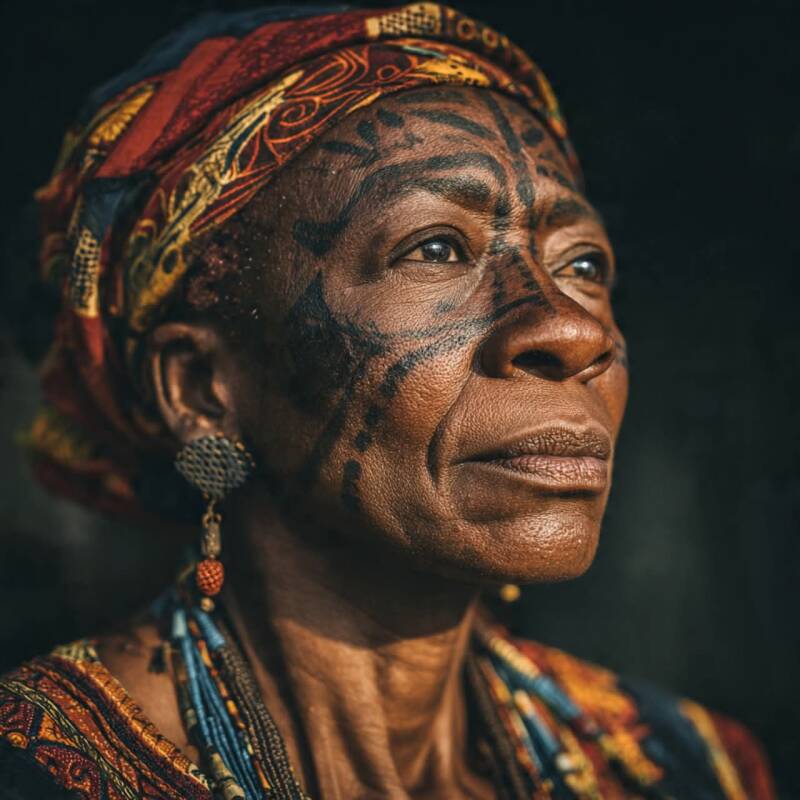
Cameroon is often called “Africa in miniature” because of its incredible diversity of landscapes, cultures, languages, and traditions. From coastal communities along the Atlantic Ocean to forest regions and northern savannahs, the country’s identity has been shaped by many peoples and histories.
That same diversity is reflected in Cameroon’s spiritual traditions.
Spirituality in Cameroon is not a single path. It is a collection of beliefs, practices, and understandings shaped by ancestry, nature, community, and history. While Christianity and Islam are major religions practiced throughout the country, indigenous spiritual traditions continue to influence cultural life, family values, and the relationship between generations.
In Cameroon, the sacred is not only found in places of worship. It is found in memory, land, storytelling, and the connections between the living and those who came before.
The Spiritual Foundations of Cameroon
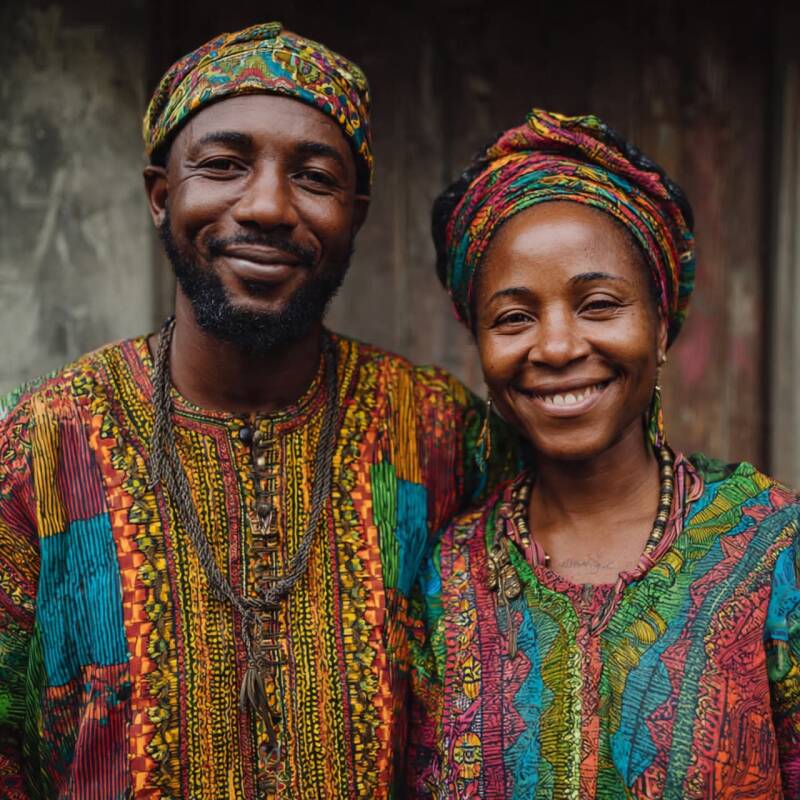
Before European colonization, communities throughout Cameroon practiced diverse indigenous spiritual traditions connected to their environments and social structures.
Beliefs varied among different ethnic groups, but many shared common themes:
- Respect for ancestors
- Connection between humans and nature
- The importance of community balance
- Guidance from elders and spiritual leaders
Spiritual knowledge was passed through generations through oral traditions, ceremonies, family teachings, and cultural practices.
Rather than separating spirituality from everyday life, many communities viewed the spiritual world as part of ordinary existence.
Ancestors as Keepers of Memory
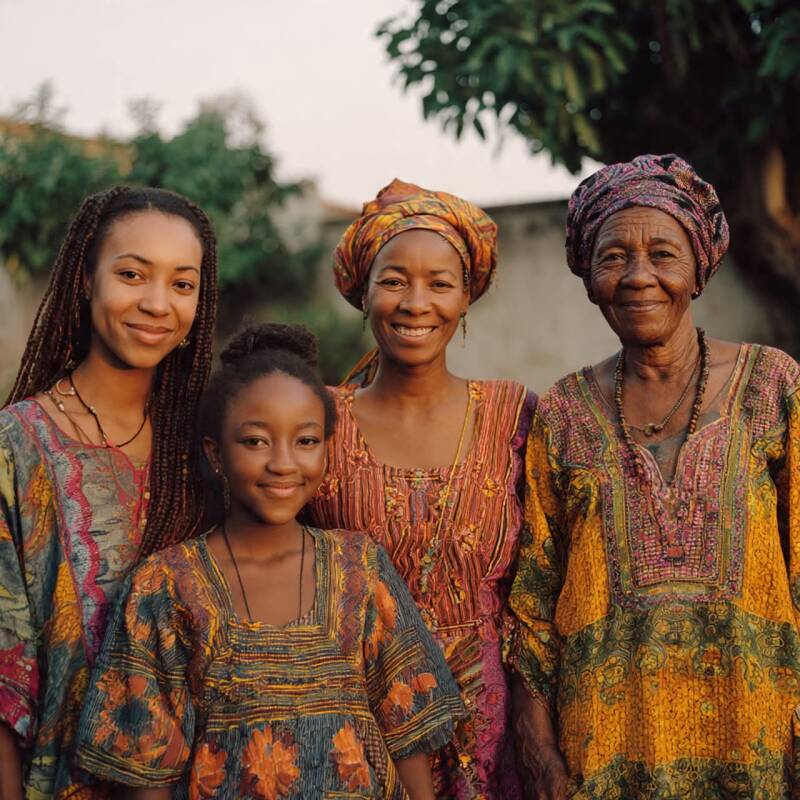
Across many Cameroonian traditions, ancestors hold an important place in cultural and spiritual understanding.
Ancestors are often viewed as continuing members of the family and community. They represent history, wisdom, and the values passed down through generations.
Respect for ancestors may be expressed through:
- Remembering family names and stories
- Honoring elders and lineage
- Maintaining burial traditions
- Seeking guidance through cultural practices
Ancestor reverence is not simply about looking backward. It is about recognizing that the present is connected to the generations that came before.
The actions, choices, and teachings of ancestors continue to influence how communities understand responsibility and belonging.
The Sacred Connection Between Land and People
For many Cameroonian communities, land carries spiritual meaning.
Forests, rivers, mountains, and ancestral territories are not only physical spaces. They are places connected to identity, history, and memory.
Nature may be viewed as something deserving respect and protection because it provides:
- Food and resources
- A connection to ancestors
- A sense of belonging
- A foundation for community life
This relationship reflects a belief that people are not separate from the world around them. They exist within a larger balance between humanity, nature, and the unseen.
Christianity, Islam, and Indigenous Traditions
Cameroon’s modern spiritual landscape reflects centuries of change.
Christianity became widespread through missionary activity during European colonial periods, while Islam has a long history in northern Cameroon through regional trade and cultural connections.
Today, Cameroon includes:
- Christian communities throughout much of the country
- Muslim communities, especially in northern regions
- Indigenous traditions that continue alongside other forms of faith
For many people, spiritual identity can include multiple layers of cultural influence.
Traditional values surrounding family, ancestors, and community often continue even among those who practice Christianity or Islam.
This reflects adaptation rather than disappearance.
Elders, Storytelling, and Community Wisdom
In many Cameroonian cultures, elders serve as important keepers of knowledge.
They preserve:
- Family histories
- Cultural teachings
- Moral lessons
- Traditional practices
Storytelling is more than entertainment. It is a way of preserving identity.
Through stories, younger generations learn where they come from, what their communities value, and how past experiences continue to shape the present.
Knowledge is not only written down—it is carried through voices.
Music, Dance, and Spiritual Expression
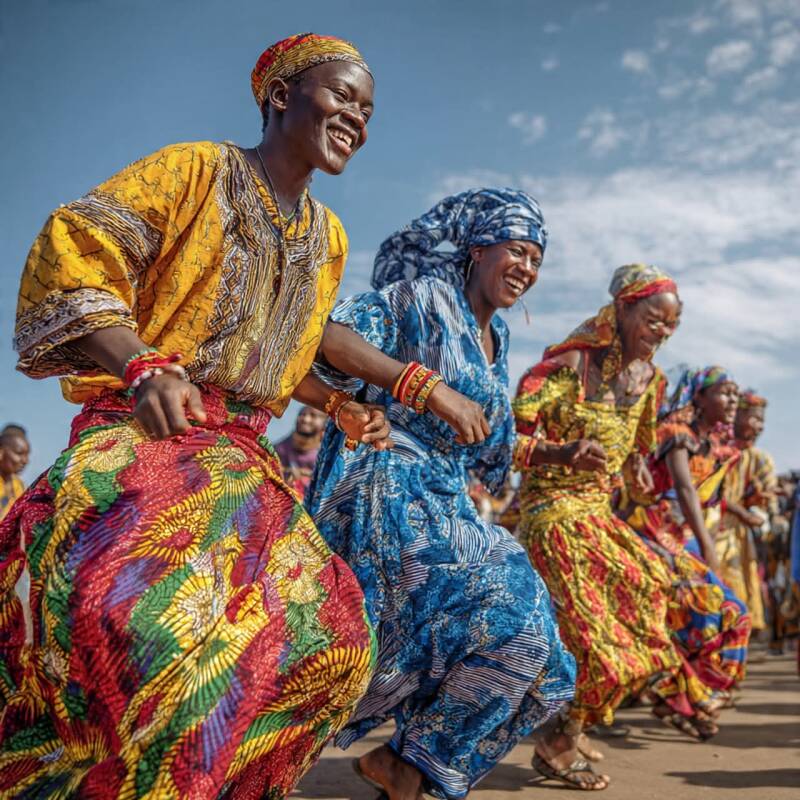
Music and dance hold deep cultural significance throughout Cameroon.
Traditional performances often accompany important moments such as:
- Ceremonies
- Community celebrations
- Rites of passage
- Remembrance gatherings
Rhythm, movement, and song can serve as ways of expressing history, honoring identity, and strengthening community bonds.
In many traditions, artistic expression is not separate from spirituality. It becomes a way of connecting people with their heritage.
Colonial Disruption and Cultural Resilience
Cameroon’s spiritual traditions experienced major disruption under German, French, and British colonial rule.
Indigenous practices were often misunderstood, discouraged, or replaced by European systems of religion and governance.
However, traditional beliefs did not disappear.
Instead, they adapted:
- Cultural practices continued within families and communities
- Spiritual values remained connected to identity
- Traditional knowledge survived through generations
The endurance of these traditions demonstrates the resilience of Cameroonian cultures.
Why Cameroon’s Spiritual Traditions Matter
Cameroon reminds us that spirituality does not always exist in one form.
Its traditions show:
- How diverse beliefs can exist within one nation
- How ancestors remain connected to identity and memory
- How land can hold spiritual meaning
- How traditions survive through adaptation
Cameroon’s spiritual story is not one of a single belief system replacing another. It is a story of layers, relationships, and continuity.
Closing Reflection
In Cameroon, spirit lives through connection.
It is found in ancestors remembered.
In stories shared by elders.
In the land that carries generations of history.
In communities that continue to preserve what came before.
Spirituality is not only something practiced.
It is something lived.
And through that living connection, traditions continue to endure.
Add comment
Comments
Interesting read