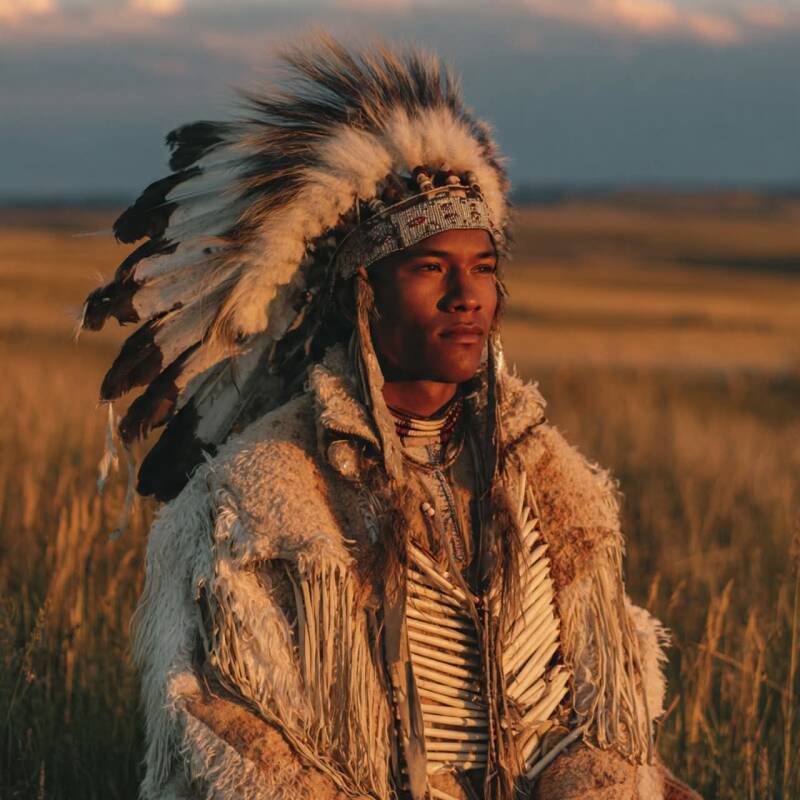
The Blackfeet Nation — known in their own language as the Niitsitapi, meaning The Real People — are one of the most powerful and respected Indigenous nations of the Northern Plains. Their homeland stretches across what is now Montana and Alberta, but their story reaches far deeper than the borders drawn over their lands.
For thousands of years, the Niitsitapi have carried a culture rooted in strength, resilience, community, and profound spiritual connection to the land. Their legacy is one of warriors, visionaries, caretakers, and storytellers — all bound by a worldview that sees the natural world not as a resource to take from, but as a living relative deserving honor and respect.
A People Shaped by the Plains, and Who Shaped the Plains in Return
The Niitsitapi thrived across the vast Northern Plains long before colonizers ever set foot on the land. They are part of the Algonquian language family and traditionally consisted of four closely related groups:
- Siksiká (Blackfoot proper)
- Kainai (Blood)
- Aapátohsipikani (Northern Piikani)
- Aamsskáápipikani (Southern Piegan)
Together, they formed a powerful alliance bound by a shared language, culture, and spiritual worldview.
The Plains were not just a place where they lived — the Plains lived through them. Their seasonal movements, their ceremonies, their oral traditions, their way of hunting and gathering, and their societal values all grew from a deep relationship with the land.

The Horse People: Masters of the Open World
The arrival of the horse in the 1700s transformed many Indigenous nations — but few mastered horse culture as fully as the Niitsitapi.
Their relationship with the horse wasn’t just practical; it was spiritual. Horses became honored partners in travel, hunting, and battle. Their skill in horsemanship became legendary throughout the Plains, and they quickly developed a reputation as fierce, tactical warriors whose speed and mobility shaped the balance of power in the region.
To the Niitsitapi, horses weren’t tools — they were relatives, protectors, and symbols of status, strength, and connection.

Warrior Societies: Strength, Honor, and Responsibility
Niitsitapi society included honored warrior societies, each with specific responsibilities — community protection, ceremony, leadership, and maintenance of cultural law.
These societies were not defined by violence but by duty:
- Protecting the people
- Defending their land
- Maintaining peace within the community
- Preserving spiritual teachings
Courage wasn’t measured by conquest but by protecting life, ensuring survival, and honoring the ancestors.
Oral Traditions: A World Carried Through Story
As with many Indigenous nations, the Niitsitapi passed down knowledge through oral tradition — stories shared across generations, holding wisdom about creation, morality, history, spirituality, and identity.
Their stories include:
- Náàpi (Old Man), a cultural hero and trickster
- The origins of the buffalo
- The creation of the mountains and rivers
- Teachings about balance, responsibility, and humility
Through these stories, the Niitsitapi preserved their worldview even when colonization tried to silence them.

Survival Through Devastation
Colonization brought unimaginable loss to the Niitsitapi:
- The near-extermination of the buffalo
- Forced assimilation
- Land theft
- Epidemics
- Systematic attempts to destroy their identity
Despite this, the Niitsitapi are still here — speaking their language, practicing ceremony, rebuilding strength, and protecting what remains of their homelands.
Their survival is not an accident. It’s a testament to their resilience, their unity, and their unbreakable connection to their ancestors.
Blackfeet Today: Sovereignty, Revitalization, and Cultural Strength
Today, the Blackfeet Nation remains a sovereign nation with a thriving community, strong leadership, and a renewed commitment to preserving their language, traditions, and land.
The Niitsitapi continue to:
- Revitalize the Blackfoot language
- Reclaim cultural teachings
- Participate in traditional ceremonies
- Protect sacred landscapes
- Share their culture through art, dance, and storytelling
- Pass down knowledge to future generations
They are not “people of the past.”
They are people of the present, shaping the future while honoring the legacy of their ancestors.
A Personal Reflection — and Why Their Story Matters to Me
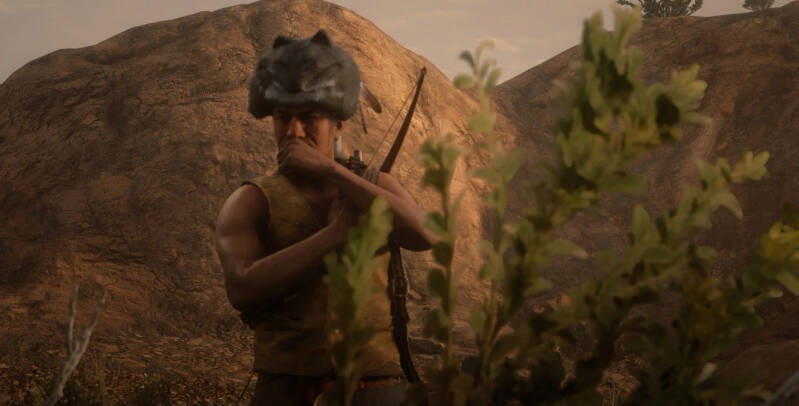
As I close out Native American Heritage Month, learning about the Niitsitapi meant more to me than just writing another article. One of my favorite characters that I created in Red Dead Redemption 2, Kitsíkom “Strong Bear,” was inspired by the Niitsitapi. Digging deeper into their real history made me realize just how much depth, pride, and strength this nation carries.
This month taught me that honoring Indigenous nations isn’t about a trend or a calendar window — it’s a responsibility. A commitment. A choice to tell the truth, amplify real history, and celebrate the living cultures that continue to shape this land.
The Niitsitapi, like every Indigenous nation, deserve to be recognized not just in November, but always. Their teachings, their resilience, and their story deserve space, respect, and remembrance every single day.
And I’m carrying that forward — long after this month ends.
Indigenous history doesn’t end on November 30th. Neither will my commitment to honoring it.
Add comment
Comments