By Yasmin Chaudhary — The Inkwell Times
In Burkina Faso, spirituality is not separated from character. It is not abstract belief, nor spectacle. It is lived through integrity—how one treats elders, land, community, and memory.
The spiritual traditions of Burkina Faso are rooted in ancestral presence and deep respect for the earth. These beliefs endure not because they resisted time, but because they remain useful—guiding people in how to live well, live honestly, and live together.
Spiritual Foundations of Burkina Faso
Burkina Faso is home to many ethnic groups, most prominently the Mossi, whose kingdoms shaped much of the region’s cultural and spiritual framework. Long before colonial rule, Mossi society emphasized moral responsibility, communal accountability, and respect for ancestral authority.
Spiritual knowledge was not held by a single institution. It was shared through elders, family lineages, and ritual practice—woven into daily life rather than set apart from it.
Ancestors as Moral Witnesses
In Burkina Faso’s ancestral belief systems, ancestors are not distant spirits. They are moral witnesses.
Ancestors are believed to:
- Observe the living
- Uphold ethical behavior
- Protect families who honor tradition
- Withdraw support when balance is broken
Misfortune is often understood not as punishment, but as a sign of disharmony—a reminder to restore ethical balance.
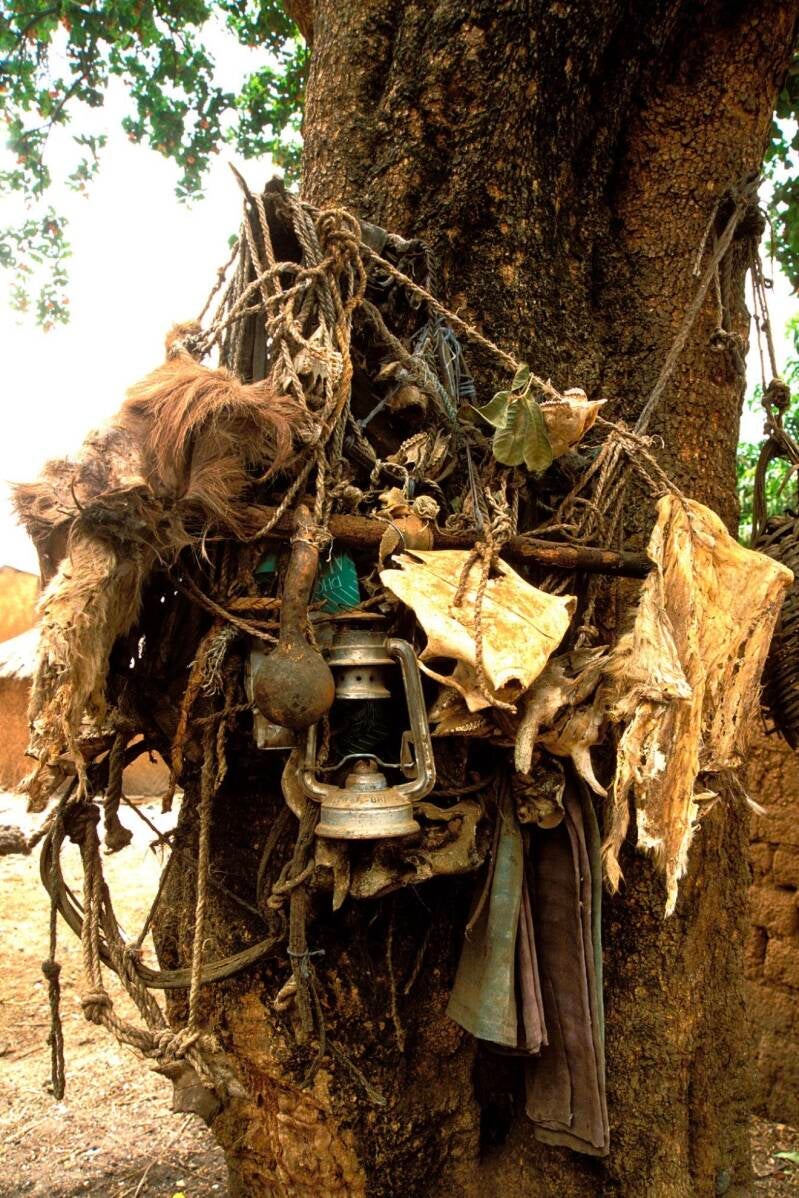
Practices that still endure today include:
- Pouring libations
- Naming children after ancestors
- Consulting elders during conflict
- Maintaining family shrines and burial sites
To remember ancestors is to remain accountable.
The Sacredness of Earth
Land in Burkina Faso is not merely property—it is inheritance.
The earth is understood as:
- A living witness
- A keeper of ancestral memory
- A shared responsibility
Farming rituals, planting seasons, and harvest customs are often accompanied by spiritual acknowledgment of the land’s generosity. Certain areas—groves, trees, or soil linked to ancestors—are treated as sacred and protected.
This worldview reinforces restraint: take what you need, not more.
Ritual, Responsibility, and Community
Spiritual rituals in Burkina Faso are often quiet, communal acts—performed not for display, but for continuity.
Rituals may include:
- Earth offerings
- Spoken ancestral acknowledgment
- Communal meals tied to remembrance
- Mediation led by elders
These practices emphasize responsibility over power. Authority comes from wisdom, not dominance.
Colonial Disruption and Spiritual Survival
French colonial rule attempted to dismantle Indigenous belief systems, replacing them with imposed religious and administrative structures. Rituals were labeled “backward.” Sacred land was redefined as exploitable resource.
Yet ancestral belief endured—often practiced privately, within families and villages. Over time, many Burkinabè blended ancestral customs with Islam or Christianity, creating layered spiritual identities rather than abandoning older traditions.
Integrity, not purity, became the guiding principle.
Integrity as Spiritual Philosophy
Burkina Faso’s very name means “Land of Upright People.”This is not accidental.
Spiritual life in Burkina Faso centers on:
- Honesty in action
- Accountability to ancestors
- Respect for land
- Collective well-being
Belief is measured not by declaration, but by conduct.
Why Burkina Faso’s Spiritual Traditions Matter
These traditions challenge modern assumptions:
- That spirituality must be loud to be real
- That belief must be centralized to be legitimate
- That faith exists apart from ethics
In Burkina Faso, spirituality is inseparable from integrity.
Closing Reflection
In Burkina Faso, spirit lives in restraint. In remembering who walked before. In honoring the earth that sustains.
Ancestral belief here is not about transcendence. It is about upright living.
And sometimes, that is the deepest faith of all.
Add comment
Comments
Thank you for sharing this. Most of the time we only hear about Nigeria, Ethiopia, Egypt, or Kenya. We rarely know other countries in Africa or their practices/beliefs.