By Yasmin Chaudhary — The Inkwell Times
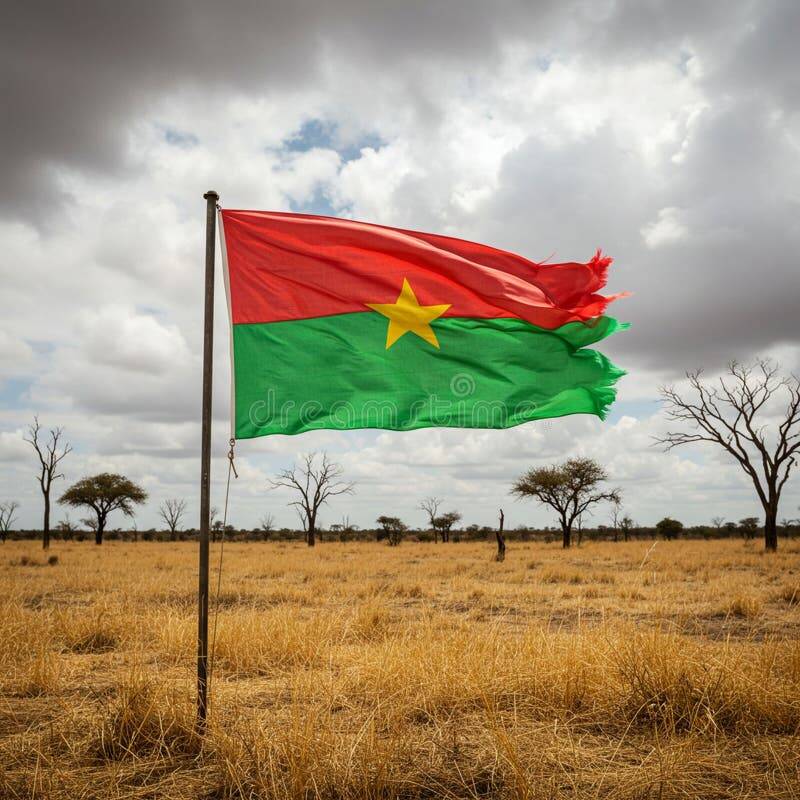
Burkina Faso’s history is not loud, but it is deeply rooted. Shaped by land, labor, and community, the country’s food traditions reflect a people who have learned how to nourish many with little—and to do so with intention. One such dish is Riz Gras, a rice-based meal that carries history in its simplicity.
Burkina Faso: History of Land, Labor, and Continuity
Burkina Faso sits in the heart of West Africa, landlocked and agriculturally driven. Before colonial rule, the region was home to powerful Mossi kingdoms, whose systems of governance, farming, and communal responsibility shaped daily life.
Under French colonization, the land was heavily exploited for labor and resources. Yet, food traditions endured—especially those that relied on locally grown staples like rice, tomatoes, onions, and seasonal vegetables.
Burkina Faso gained independence in 1960, later reclaiming its name in 1984. The name itself—meaning “Land of Upright People”—reflects values of integrity, resilience, and collective strength. Those values live quietly in its food.
The Origins of Riz Gras
Riz Gras literally translates to “fat rice,” though the name is less about excess and more about nourishment. It is a one-pot rice dish cooked in a tomato-based sauce, often with vegetables and sometimes meat.
Riz Gras is:
- Affordable
- Adaptable
- Designed to feed families and communities
The dish changes based on availability—sometimes made with beef, chicken, or fish; other times entirely vegetarian. What matters is not uniformity, but accessibility.
Riz Gras is everyday food. School food. Family food. Celebration food when meat is added. It reflects how Burkina Faso cooks: with care, practicality, and respect for what the land provides.
Why Riz Gras Matters
Riz Gras tells Burkina Faso’s story through:
- Agricultural knowledge
- Communal cooking
- Resourcefulness in scarcity
- Food as sustenance, not spectacle
It is not about refinement. It is about continuity.
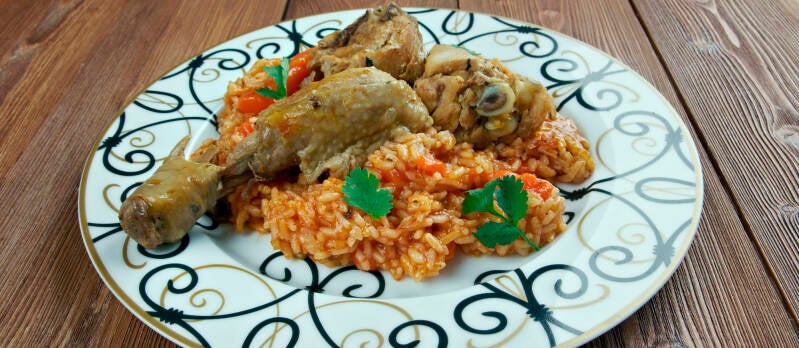
Photo By: TasteAtlas
Easy Stovetop Riz Gras (Home-Kitchen Friendly)
I’m drawn to dishes that evolve based on what’s available—meals shaped by land, season, and necessity. For this series, I approach each country’s food with curiosity and care, adapting thoughtfully while honoring what the dish represents beyond the plate.
Ingredients
- 2 cups long-grain rice (basmati works well)
- 2 tbsp oil
- 1 onion, chopped
- 3 cloves garlic, minced
- 2 tomatoes, chopped (or 1 can diced tomatoes)
- 1 tbsp tomato paste
- 1 cup mixed vegetables (carrots, green beans, peas)
- 1 lb chicken or beef (optional)
- 3½ cups broth or water
- Salt and black pepper to taste
- Optional: ½ tsp paprika or chili powder
Instructions
- Brown the protein (if using)
Heat oil in a large pot. Brown meat lightly with salt and pepper. Remove and set aside. - Build the base
In the same pot, sauté onion until soft. Add garlic, tomatoes, and tomato paste. Cook until thickened. - Add vegetables and rice
Stir in vegetables and rice, coating well with the sauce. - Simmer
Add broth and return protein to the pot. Bring to a boil, then cover and reduce to low heat. - Cook gently
Simmer 20–25 minutes until rice is tender and liquid absorbed. - Rest and serve
Let sit 5 minutes before fluffing. Serve warm.
A Dish That Feeds More Than Hunger
Riz Gras is not meant to stand alone on a table. It is meant to be shared.
In Burkina Faso, history lives in this pot—in the balance between land and people, and in food that sustains without excess.
That, too, is heritage.
Add comment
Comments