
By Yasmin Chaudhary — The Inkwell Times
Burundi’s history is quiet but enduring—shaped by land, agriculture, and community rather than conquest or excess. In a country where daily life has long depended on shared labor and seasonal rhythms, food has always been about sustenance first. Two dishes in particular reflect this reality: Boko Boko Harees and Ibiharage.
Together, they tell the story of Burundi through nourishment—simple, filling meals that sustain families and carry memory.
Burundi: History Rooted in Land and Continuity
Burundi is a small, landlocked country in East Africa, bordered by Rwanda, Tanzania, and the Democratic Republic of Congo. Long before colonial interference, Burundi was organized around agriculture, cattle keeping, and centralized kingdoms that emphasized social cohesion and land stewardship.
Colonial rule—first German, then Belgian—deeply disrupted Burundi’s social fabric, exacerbating ethnic divisions and economic hardship. Yet through conflict and instability, everyday traditions endured. Food remained one of the few constants—grown locally, prepared communally, and shared intentionally.
Burundian cuisine reflects this reality: practical, affordable, and deeply tied to the land.
Boko Boko Harees: Sustenance Through Patience
Boko Boko Harees is a porridge-like dish made from shredded meat, bulgur wheat (or cracked wheat), and spices. It is slow-cooked, soft, and deeply filling—designed to nourish the body over long hours of labor.
This dish reflects:
- The importance of grain as a staple
- The value of stretching meat to feed many
- Cooking methods built around time, not excess
Boko Boko Harees is not everyday food for all—it is often prepared when meat is available, making it both practical and meaningful. Its texture and warmth speak to care, patience, and the need to sustain.
Ibiharage: The Everyday Heart of Burundian Cooking
If Boko Boko Harees represents nourishment during times of abundance, Ibiharage represents daily survival.
Ibiharage is a simple dish of beans fried with onions and palm oil. Beans are one of Burundi’s most important staples, valued for their affordability, protein, and reliability.
Ibiharage is eaten:
- At home
- In markets
- Alongside rice, plantains, or cassava
It is everyday food—the kind that carries people through routine life.
Why These Dishes Matter
Together, Boko Boko Harees and Ibiharage tell Burundi’s story through:
- Agricultural dependence
- Communal cooking
- Resourcefulness
- Food as endurance, not luxury
These dishes were never meant to impress. They were meant to sustain.
Easy Stovetop Versions (Home-Kitchen Friendly)
Cooking dishes from different cultures reminds me that nourishment looks different everywhere. For this entry, I focused on keeping the simplicity of Burundian cooking intact while making the process accessible for home kitchens.
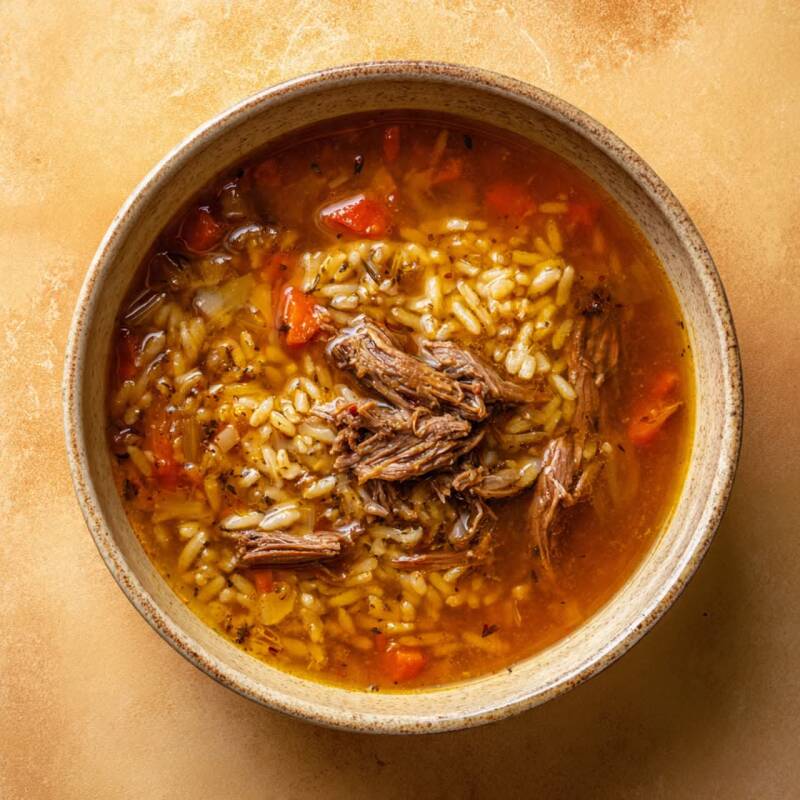
Easy Boko Boko Harees
Ingredients
- 1 lb beef or chicken, cooked and shredded
- ½ cup bulgur wheat
- 1 small onion, finely chopped
- 2 tbsp oil
- 3 cups broth or water
- Salt to taste
- Optional: pinch of cumin or black pepper
Instructions
- Sauté onion in oil until soft.
- Add shredded meat and bulgur wheat. Stir well.
- Pour in broth and bring to a gentle boil.
- Reduce heat and simmer 25–30 minutes, stirring occasionally, until thick and porridge-like.
- Season and serve warm.
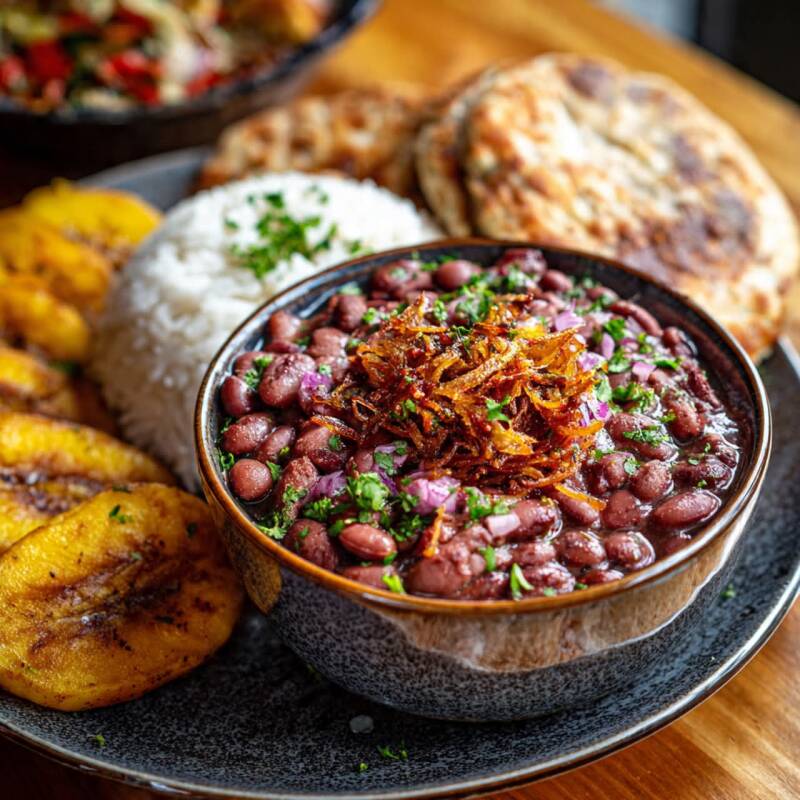
Easy Ibiharage (Burundian Beans)
Ingredients
- 2 cups cooked red beans
- 1 onion, sliced
- 2 tbsp palm oil (or neutral oil if unavailable)
- Salt to taste
Instructions
- Heat oil in a pan.
- Add onions and sauté until golden.
- Stir in beans and salt.
- Cook 10–15 minutes until lightly fried and fragrant.
- Serve with rice, flatbread, or plantains.
Food That Holds a People Together
Burundian food is not ornamental. It is grounding.
In Boko Boko Harees and Ibiharage, history lives quietly—in bowls shared, in meals stretched, in nourishment offered without excess.
That, too, is heritage.
Add comment
Comments