By Yasmin Chaudhary — The Inkwell Times
There are moments when the word tragic barely scratches the surface of what actually happened.
The killing of Destinee Thompson — a pregnant mother of three who was shot and killed by police in Arvada, Colorado — is one of those moments. Mistaken identity, questionable decisions, and the use of lethal force combined that day in a way that should never have ended in death. Her life, and the life of her unborn child, were cut short in a confrontation that began with a mistake — and was exacerbated by actions that raise serious questions about police judgment and accountability.
This article examines what is publicly known about what happened, the response from law enforcement and prosecutors, the legal fight her family has pursued for justice, and why this case still matters.
Who Was Destinee Thompson?
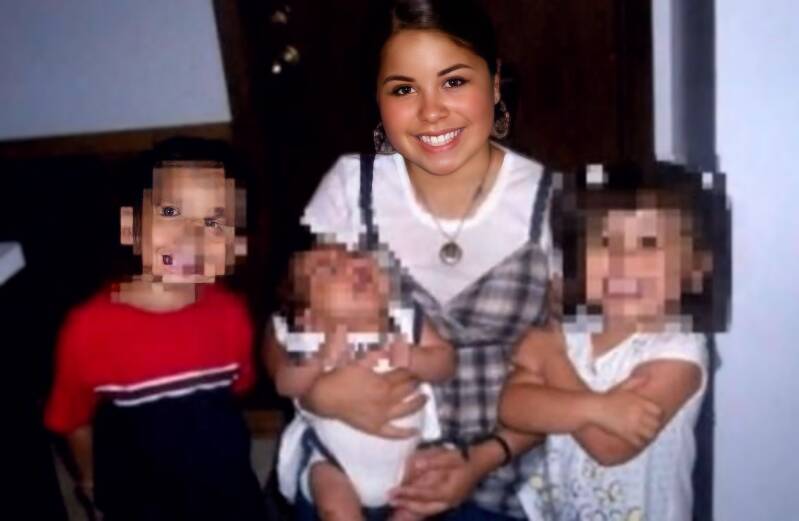
Destinee Thompson was a 27-year-old mother of three children. She was also seven months pregnant at the time of her death, a fact that adds an extra layer of heartbreak and outrage to an already devastating situation.
Family members describe her as someone who loved her children and was simply going about her day when tragedy struck. On the morning of August 17, 2021, Thompson was on her way to meet her stepmother for lunch — a plan that should have been ordinary, uneventful, and life-affirming.
Instead, it became fatal.

What Happened
On that August afternoon, Arvada police were responding to a report of a Target theft suspect who allegedly brandished a knife and was seen leaving a nearby motel. The suspect they were looking for was described as wearing a white tank top and blue jeans, and having a distinctive chest tattoo.
Thompson was wearing a white tank top — nothing more — and was leaving the motel at the same time police arrived. She did not have the chest tattoo described, she did not have stolen property, and she was not connected to the reported crime.
Despite these crucial differences, officers approached her. Thompson walked to her minivan and tried to leave the scene. She repeatedly told officers, “It wasn’t me,” and said she didn’t have identification.
Rather than de-escalate, the situation escalated quickly:
- One officer shattered the passenger window of her minivan with a baton.
- Thompson attempted to drive away.
- Officers blocked her vehicle.
- As she tried to move the van to escape the immediate pressure, one officer fired eight shots, killing Destinee Thompson and her unborn child.
Why This Was Wrong
Even on its face, this incident is deeply troubling:
- She did not match the description. The suspect officers were seeking had a distinctive tattoo and was wearing different clothing. Thompson shared only the tank top color — otherwise, she did not fit the profile.
- She posed no threat to officers. There’s no evidence she brandished a weapon, threatened anyone, or made any violent move. She was trying to exit the situation — not escalate it.
- She was pregnant. The officer’s decision to fire on a woman who was visibly pregnant — killing both her and her unborn child — raises profound moral and legal questions about the use of force.
- Escalation instead of de-escalation. Smashing a window, surrounding an unarmed pregnant woman, and then firing shots — all while she was attempting to leave — is the opposite of safe policing.
There is no excuse here. There is no justification that can erase the fact that a pregnant woman, uninvolved in the crime officers believed they were responding to, is dead.
The Official Response — And the Family’s Fight
After the killing, the local prosecutor reviewed the case and declined to bring criminal charges against the officers involved. That decision was a shock and a deep wound to Thompson’s family.
In response, Destinee Thompson’s family filed a wrongful-death and excessive-force lawsuit against multiple officers and the city of Arvada. They allege that police misconduct and poor judgement — including stopping Thompson without a valid basis — directly led to her death.
Her father, Francis Thompson, has been raw and unequivocal in his grief and outrage: “She’s 5-foot tall, seven months pregnant… you’re a grown man and you’re threatened by that? You don’t deserve to wear a badge.”
Attorneys representing the family have suggested that race and bias played a role in her being stopped and treated as a threat, noting that the suspect description officers sought was vague and could have referred to many people.
The Arvada Police Department, in turn, maintains that officers acted within their authority and in belief that Thompson posed a danger — a position the department has said it intends to defend vigorously.
A Broader Pattern
The killing of Destinee Thompson is part of a larger pattern in the United States where people — especially women of color — are killed by police under circumstances that are questionable and avoidable. This case raises the same core issues advocates have long warned about:
- Mistaken identity can and does lead to death.
- Decisions made in split seconds can have irreversible consequences.
- “Reasonable fear” is too often judged in favor of officers while victims pay the price.
- Accountability is rare, even when wrongdoing is evident.
Police calls for “reasonable suspicion” cannot override basic human safety and the right to life.
Why This Still Matters
Destinee Thompson didn’t deserve to die. She was not the suspect officers were seeking. She posed no credible threat to justify the use of lethal force — especially eight shots into a minivan driven by a pregnant woman.
Her death should shake local leaders, police departments, and anyone who believes in justice. It should remind us that when protection becomes persecution, it is the public — not law enforcement — who pays the ultimate price.
At its core, this is not an isolated police shooting — it is a failure of judgment, training, and accountability.
There is no excuse for what happened.

The Ongoing Fight for Justice
As legal proceedings continue, the spotlight remains on Arvada and its police force. The lawsuit brought by Thompson’s family seeks not only financial compensation but transparency, accountability, and reform. Their fight is a reminder that accountability does not happen by accident — it happens through pressure, witness, and refusal to look away.
For Destinee. For her unborn child. For mothers everywhere whose lives matter. The demand for justice in this case is not political. It’s human.
Add comment
Comments