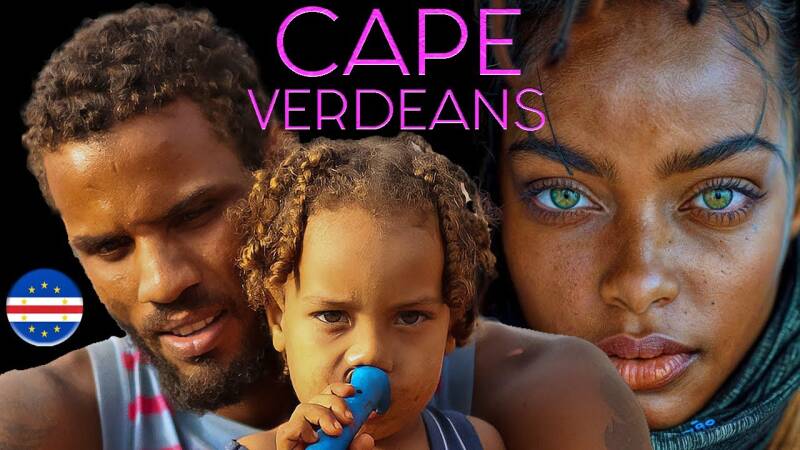
Image courtesy of Animalia Life
By Yasmin Chaudhary — The Inkwell Times
Cabo Verde, spirituality has always been shaped by movement. The islands sit in the Atlantic Ocean, far from mainland Africa, yet deeply connected to Africa, Europe, and the Americas through centuries of migration, trade, and survival.
Today, most Cabo Verdeans identify as Christian, particularly Roman Catholic. Yet beneath formal religious practice lies a spiritual culture shaped by family, memory, resilience, and the enduring connections between people separated by oceans.
Spirituality in Cabo Verde is not only found in churches. It lives in songs, family gatherings, community celebrations, and the belief that those who came before remain part of the journey.
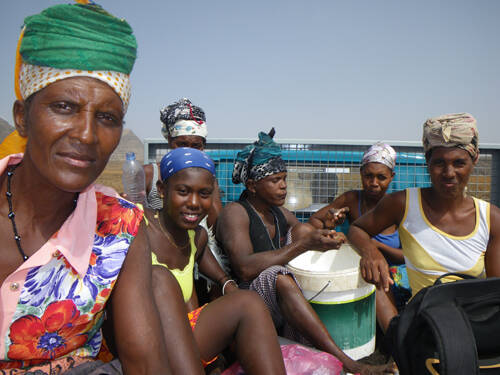
Image courtesy of Animalia Life
The Spiritual Foundations of Cabo Verde
The islands of Cabo Verde were uninhabited before Portuguese settlement began in the fifteenth century. As a result, the country’s spiritual traditions emerged through the meeting of different peoples and cultures.
Enslaved Africans brought diverse beliefs, customs, and spiritual understandings from West Africa. Portuguese settlers introduced Catholicism, which became the dominant religion throughout the archipelago.
Over generations, these influences blended into a uniquely Cabo Verdean spiritual identity.
Rather than existing as separate systems, faith often became a conversation between inherited African traditions, Catholic teachings, and local cultural practices.
Image courtesy of Dreamstime
Catholicism and Daily Life
Catholicism remains the largest religious tradition in Cabo Verde and influences many aspects of social life.
Religious observances often include:
- Baptisms and family celebrations
- Feast days honoring saints
- Christmas and Easter gatherings
- Community festivals centered around local churches
Churches serve not only as places of worship but also as centers of community life.
Faith is often expressed through hospitality, mutual support, and care for neighbors—values that have helped island communities endure difficult periods of drought, poverty, and emigration.
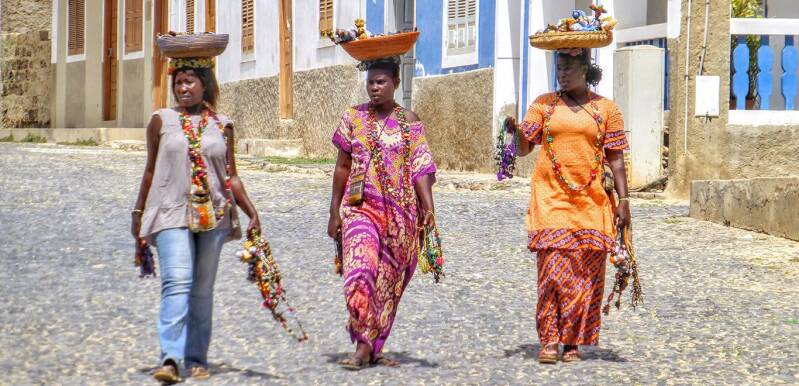
Image courtesy of WhereNext.To
Memory, Ancestors, and Family Bonds
While Catholicism shapes public religious life, family memory carries its own spiritual importance.
Respect for elders and ancestors remains deeply embedded in Cabo Verdean culture.
This respect may be expressed through:
- Preserving family stories
- Honoring deceased relatives during gatherings
- Maintaining family burial sites
- Passing traditions from one generation to the next
Rather than formal ancestor worship, remembrance is often woven into everyday life.
Those who have passed away remain part of family identity, linking generations across time and distance.
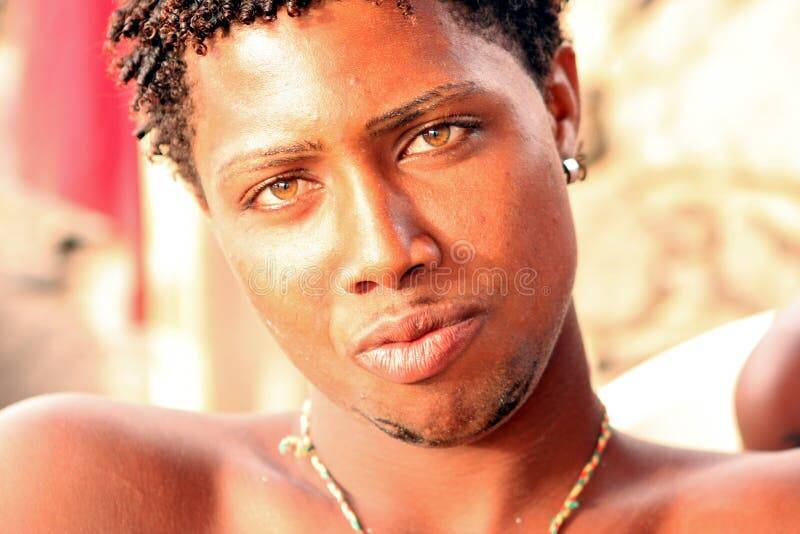
Image courtesy of Animalia Life
A Spirituality Shaped by Migration
Few countries have a diaspora as significant as Cabo Verde’s.
For generations, economic hardship and limited resources encouraged migration abroad. Today, large Cabo Verdean communities can be found in the United States, Portugal, France, the Netherlands, and elsewhere.
This history has shaped the nation’s spiritual outlook.
Faith often becomes a source of connection between families separated by oceans.
Religious celebrations, family gatherings, music, and shared meals help preserve identity even when relatives live thousands of miles apart.
For many Cabo Verdeans, spirituality is closely tied to belonging—to knowing where one comes from even while living somewhere else.
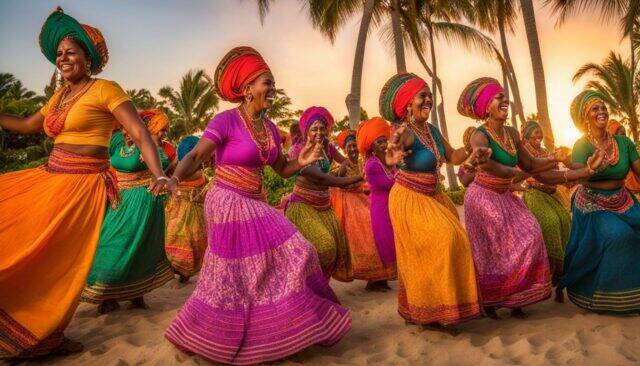
Image courtesy of Travel Inspires
Music, Celebration, and the Sacred
Music occupies a special place in Cabo Verdean culture.
Traditional genres such as morna and coladeira often explore themes of longing, memory, love, separation, and home.
These themes carry spiritual dimensions of their own.
Songs become a way to honor ancestors, express hope, and maintain connections across generations.
Community celebrations frequently combine faith, music, and cultural heritage, demonstrating how spirituality is woven into everyday life rather than confined to formal worship.

Image courtesy of Fity.Club
Resilience Through Faith
Life in Cabo Verde has often required resilience.
Recurring droughts, limited natural resources, and waves of emigration have shaped the country’s history.
Faith has helped many communities endure these challenges.
Spiritual life provides:
- Hope during hardship
- Connection during separation
- Strength through uncertainty
- Continuity across generations
Rather than focusing solely on doctrine, spirituality often emphasizes perseverance and collective support.
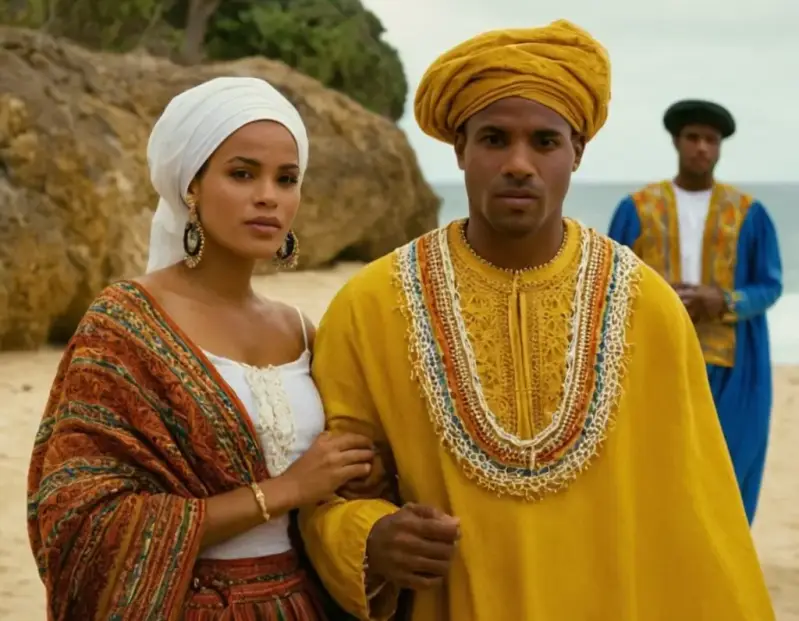
Image Courtesy of World Culture Threads
Why Cabo Verde’s Spiritual Traditions Matter
Cabo Verde challenges common assumptions about religion and identity.
Its spiritual culture demonstrates:
- How faith adapts across cultures
- How migration can strengthen rather than weaken identity
- How memory becomes a form of spiritual continuity
- How community remains sacred even across great distances
The country’s traditions reveal that spirituality can travel, evolve, and remain deeply rooted at the same time.
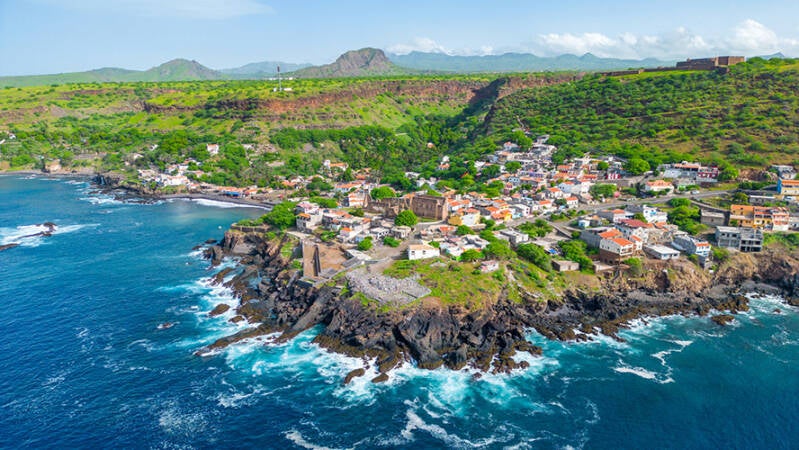
Image Courtesy of Barcelo
Closing Reflection
In Cabo Verde, spirit moves with the tides.
It lives in family stories carried across oceans.
In songs that remember home.
In faith that survives distance and change.
Across islands and continents, generations remain connected.
And through those enduring bonds, belief continues its journey.
Add comment
Comments
This really made me think about how faith travels with people, not just places. Beautifully written.
More people need to understand Atlantic diaspora cultures like this. Great work.