By Yasmin Chaudhary — The Inkwell Times
Cameroon is often described as “Africa in miniature,” and in many ways, its spiritual life reflects that complexity. Stretching from coastal forests to northern savannahs and central highlands, the country contains a wide range of belief systems, languages, and cultural traditions that coexist, overlap, and influence one another.
In Cameroon, spirituality is not a single thread—it is a woven fabric. Indigenous ancestral practices, Christianity, and Islam exist side by side, often blending in ways that are deeply personal, regional, and community-based.
Faith here is not only practiced in places of worship. It is present in the land, in lineage, in storytelling, and in the invisible ties between the living and those who came before.
The Spiritual Landscape of Cameroon
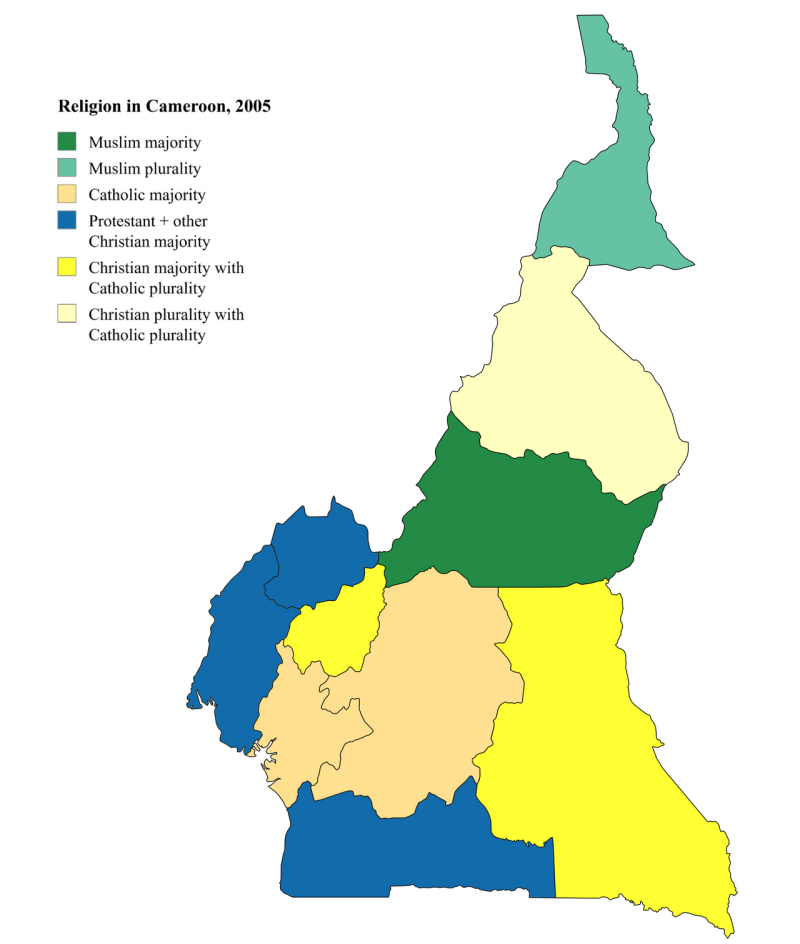
Cameroon sits at the crossroads of Central and West Africa, and its spiritual identity reflects this geographical and cultural intersection.
Today, the population is broadly divided among Christianity, Islam, and Indigenous African religious traditions, though these categories often overlap in practice rather than exist separately.
Before colonial influence, many communities practiced ancestral and nature-centered belief systems that emphasized balance between humans, spirits, and the natural world.
Spiritual life was—and in many places still is—tied to:
- The land and its guardianship
- Family lineage and ancestral presence
- Seasonal cycles and agricultural life
- Community responsibility and moral order
Rather than being confined to doctrine, spirituality was lived through relationship.
Ancestors and the Living World
Across many Cameroonian ethnic groups, ancestors remain an active part of spiritual understanding.
They are not distant figures of the past, but continuing members of the family and community structure.
Ancestors are often believed to:
- Protect the living
- Warn against imbalance or wrongdoing
- Guide major life decisions
- Maintain harmony within families and clans
Rituals vary widely by region and culture, but the underlying idea remains consistent: the past is not gone—it is present and participating.
In many families, respect for ancestors is expressed through storytelling, naming traditions, and moments of remembrance during gatherings rather than formalized religious ceremony.
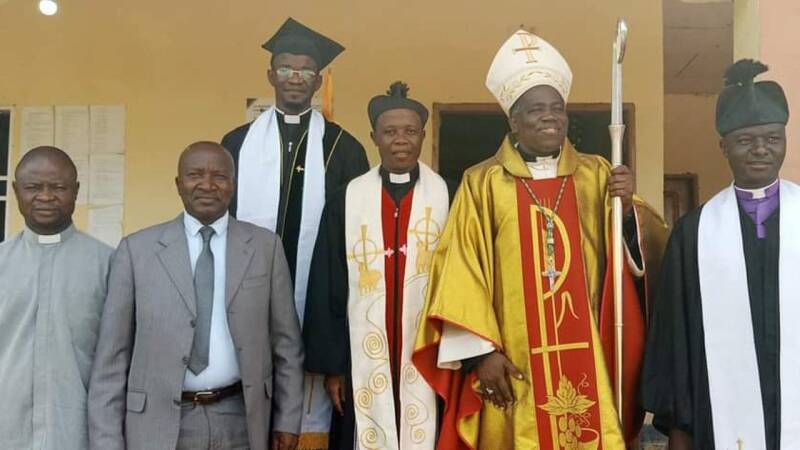
Colonial history introduced Christianity more widely through missionary activity, while Islam had already been present in northern regions through trade and earlier expansion.
Today:
- Christianity is dominant in the south and coastal regions
- Islam is more prevalent in the north
- Indigenous belief systems continue throughout the country in varying forms
Rather than replacing older traditions completely, these religions often adapted to local contexts.
In many communities, spiritual life reflects layered identity rather than replacement:
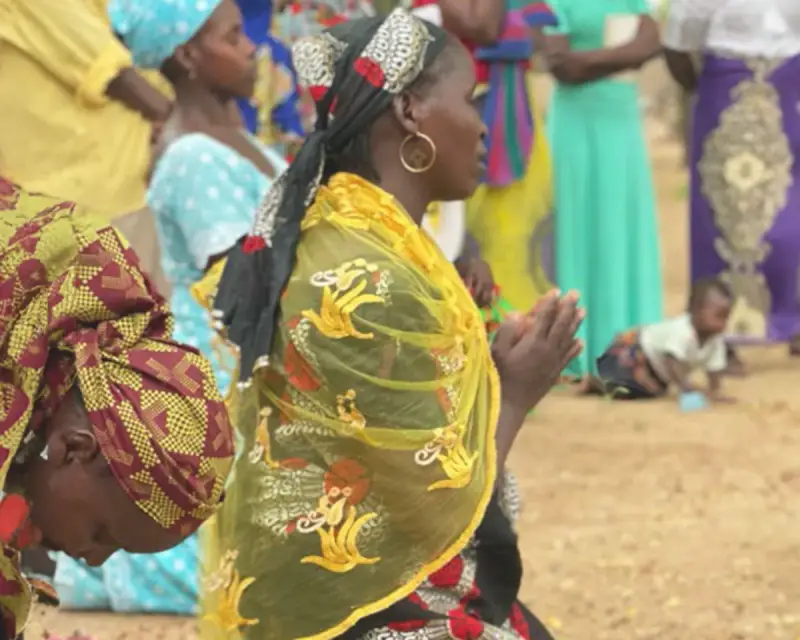
- Christian prayer alongside ancestral respect
- Islamic practice alongside cultural rites of passage
- Traditional healing systems existing alongside modern medicine
This blending is not seen as contradiction by many communities, but as continuity.
Land, Nature, and Spiritual Meaning
In Cameroonian belief systems, land is not neutral—it is alive with meaning.
Mountains, rivers, forests, and villages are often understood as spiritually significant spaces where human life intersects with unseen forces.
Certain natural spaces may be treated with particular respect or caution, especially in rural areas where traditional belief systems remain strong.
Land also carries memory. It holds the stories of families, conflicts, migration, and survival. To belong to a place is to inherit its history.
Community, Ritual, and Daily Life
Spirituality in Cameroon is deeply embedded in community structure.
It appears in:
- Naming ceremonies for children
- Funerals that bring entire communities together
- Harvest celebrations and seasonal festivals
- Oral storytelling traditions passed through generations
Music, dance, and rhythm often play a central role in these events, acting as both cultural expression and spiritual connection.
In many traditions, music is not separate from spirituality—it is part of how spiritual presence is felt and communicated.
Colonial Disruption and Cultural Resilience
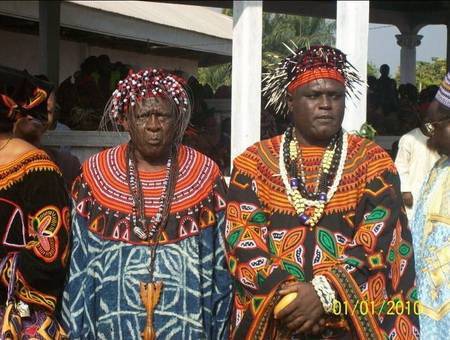
German, then French and British colonial rule reshaped Cameroon’s political and religious landscape. Missionary activity expanded Christianity, while colonial governance disrupted many indigenous systems of leadership and spiritual authority.
Yet traditional belief systems did not disappear.
Instead, they adapted:
- Rituals continued in private or community spaces
- Indigenous practices merged with Christian or Islamic frameworks
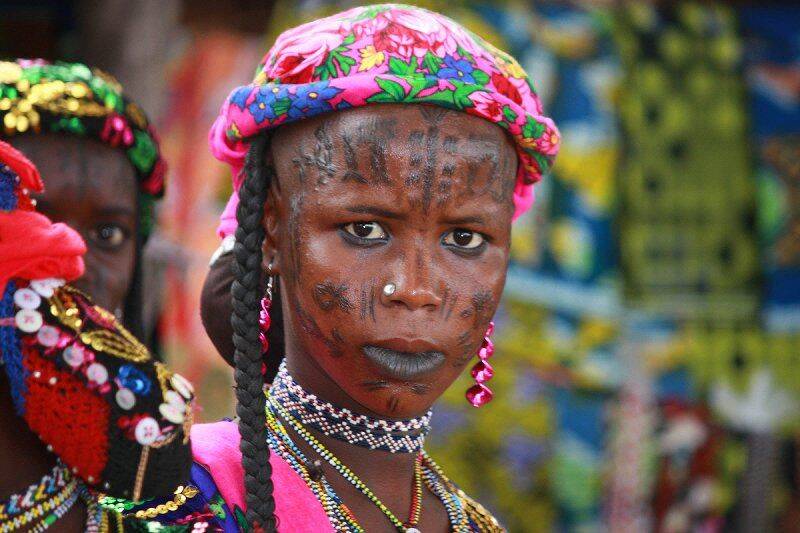
- Cultural identity remained tied to ancestral memory
This resilience reflects a broader pattern across the continent: spiritual systems surviving through adaptation rather than disappearance.
Why Cameroon’s Spiritual Traditions Matter
Cameroon challenges the idea that spirituality must be singular or uniform.
Instead, it shows:
- How multiple belief systems can coexist
- How identity is shaped by geography and diversity
- How ancestral memory remains active in modern life
- How spirituality adapts without losing its roots
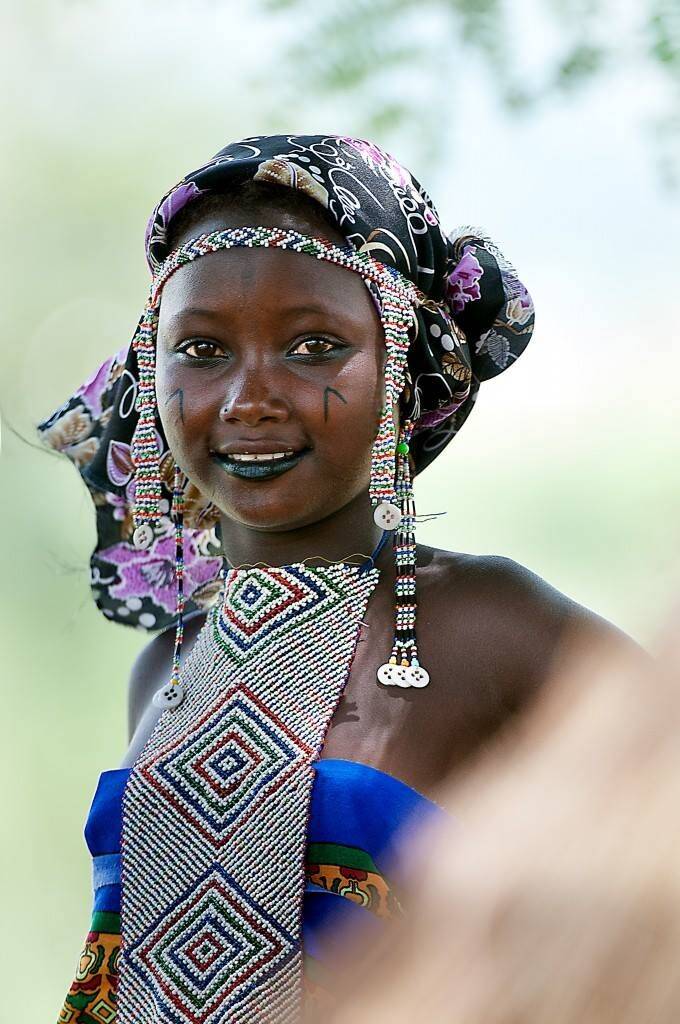
It is a reminder that belief is not always about separation—it is often about layering, blending, and continuity.
Closing Reflection
In Cameroon, spirit is not confined to one place or one form.
It moves through forests, cities, and villages.
Through prayer, ritual, and memory.
Through ancestors who remain present in the lives of those who remember them.
And in that complexity, spirituality becomes not something distant—but something deeply lived.
Add comment
Comments
I really enjoyed this. The point about spirituality being lived through community rather than just doctrine was especially powerful.
I’m not sure I agree with highlighting ancestral traditions alongside major religions. At what point does cultural practice become religion? It feels like those distinctions sometimes get blurred.
The idea that spirituality can be found in storytelling, family, and daily life—not just religious institutions—is something many people overlook.
I learned a lot from this article. I knew Cameroon was diverse, but I didn’t realize how layered its spiritual traditions are.