By Yasmin Chaudhary - The Inkwell Times
I have never personally celebrated Kwanzaa, but I deeply understand the desire to reconnect with your roots, to honor where your ancestors came from, and to preserve cultural identity. For African Americans, having a holiday that does exactly this is meaningful — especially considering the horrific history of slavery, forced displacement, and erasure of African heritage. Kwanzaa was created to reclaim and celebrate that heritage, offering a space for reflection, family, and community.

Who Created Kwanzaa: Maulana Karenga
Kwanzaa was created in 1966 by Maulana Ndabezitha Karenga, born Ronald McKinley Everett in 1941 in Parsons, Kansas. He grew up during the Jim Crow era, witnessing systemic racism, segregation, and social injustice firsthand. This environment influenced his lifelong dedication to African American cultural nationalism, community organization, and social activism.
Karenga attended Fresno State University, where he became deeply involved in civil rights activism. He co-founded the US Organization, a Black cultural nationalist group focused on promoting African culture, heritage, and identity among African Americans. His work aimed to strengthen community bonds, promote education, and assert pride in African roots — ideas that directly led to the creation of Kwanzaa.
Controversies in Karenga’s Life
Karenga’s life has been controversial. In 1971, he was convicted of felony assault and false imprisonment connected to the abuse of two women associated with his organization. He served time in prison and was released on parole in 1975. Karenga has maintained that these charges were politically motivated during a turbulent time of civil rights and Black nationalist activism. Regardless, the conviction is a documented part of his history.
Despite this, Karenga returned to academia and cultural work. He has taught at universities, led cultural organizations, and continued promoting African American heritage. His scholarly and activist work continues to influence cultural discourse in the United States.
Why Kwanzaa Was Created
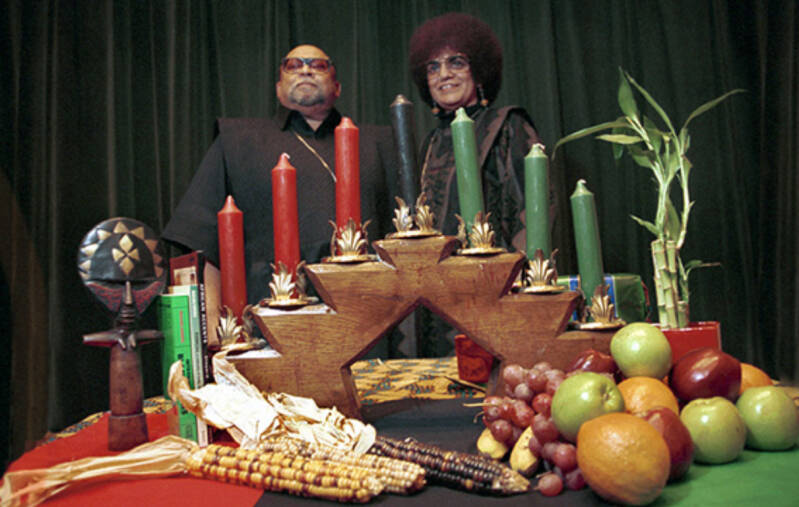
Amidst the civil rights movement and the Black Power era, Karenga wanted a holiday that celebrated African culture and values, while providing African Americans with a framework to connect with their ancestral roots. Kwanzaa was designed as a cultural—not religious—holiday, meant to be inclusive of all African Americans regardless of faith.
Kwanzaa draws inspiration from various African harvest festivals and traditional practices, rather than a single source. Karenga selected the December 26–January 1 timeframe intentionally: it follows Christmas, which allowed families to celebrate together during the winter break, and it coincides with a traditional period of African harvest celebrations.
The Seven Principles: Nguzo Saba
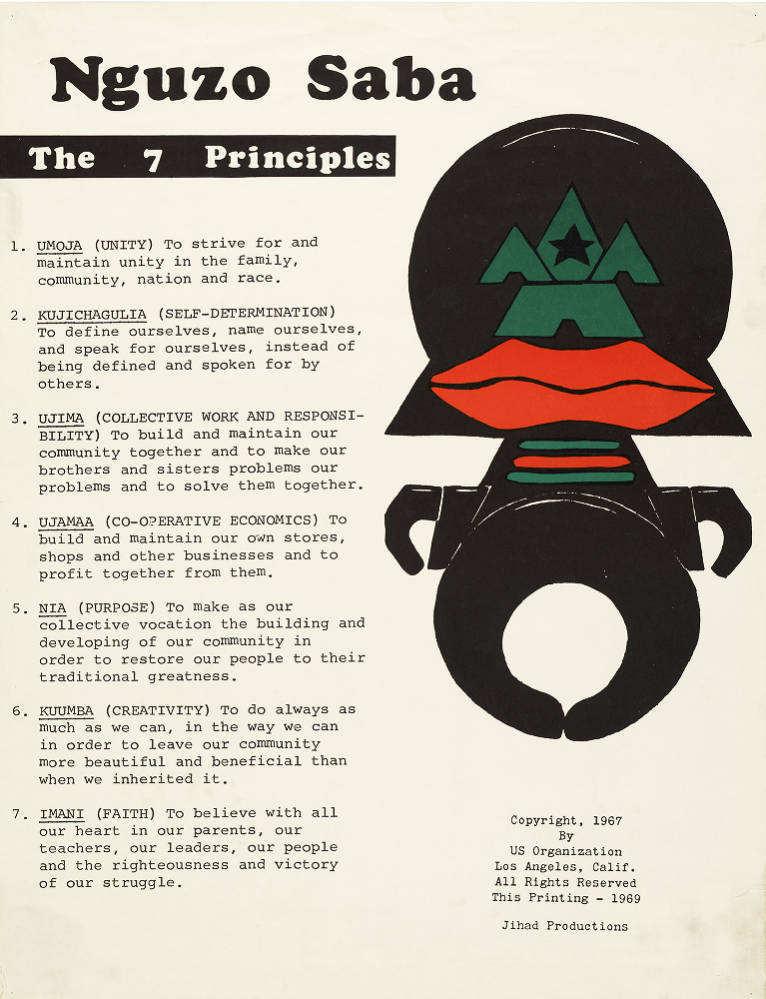
Kwanzaa is centered on the Nguzo Saba, or Seven Principles, which are intended to guide community, family, and personal development:
- Umoja (Unity) – To strive for and maintain unity in the family, community, and race.
- Kujichagulia (Self-Determination) – To define ourselves and speak for ourselves.
- Ujima (Collective Work and Responsibility) – To build and maintain our community together and solve problems collectively.
- Ujamaa (Cooperative Economics) – To support and build local businesses and communities.
- Nia (Purpose) – To make collective goals meaningful and strive to fulfill them.
- Kuumba (Creativity) – To use creativity to leave our community more beautiful than we inherited it.
- Imani (Faith) – To believe in ourselves, our families, and our community.
During Kwanzaa, each day focuses on one principle, often with ceremonies, reflection, family discussions, music, and food that honor African heritage.
Kwanzaa Today
Kwanzaa has evolved into both a cultural and educational celebration, embraced by African American communities across the U.S. and beyond. It emphasizes:
- Family and community connection
- Cultural pride and historical remembrance
- Reflection on values and principles
While it was created during a turbulent era of activism, its ongoing relevance lies in its affirmation of identity, resilience, and cultural continuity.
Closing Thoughts
Kwanzaa exists as a symbol of reclamation — a conscious effort to remember, celebrate, and pass on African heritage in the face of centuries of systemic oppression. It reminds us that culture, identity, and community are worth protecting and honoring, even when the past has tried to erase them.
Even if you do not celebrate personally, understanding Kwanzaa offers insight into how African Americans have created space to heal, reflect, and thrive through tradition. Its lessons of unity, creativity, and faith in community are meaningful for anyone seeking connection during the darkest months of the year.
Add comment
Comments