
By Yasmin Chaudhary — The Inkwell Times
Some missing person cases linger in the public’s memory, while others fade despite a life being at stake. The disappearance of Patrick Alford Jr. is in the first category — a young boy who vanished without a trace nearly sixteen years ago, yet whose absence is still felt by those who remember his story and continue to hope for answers.
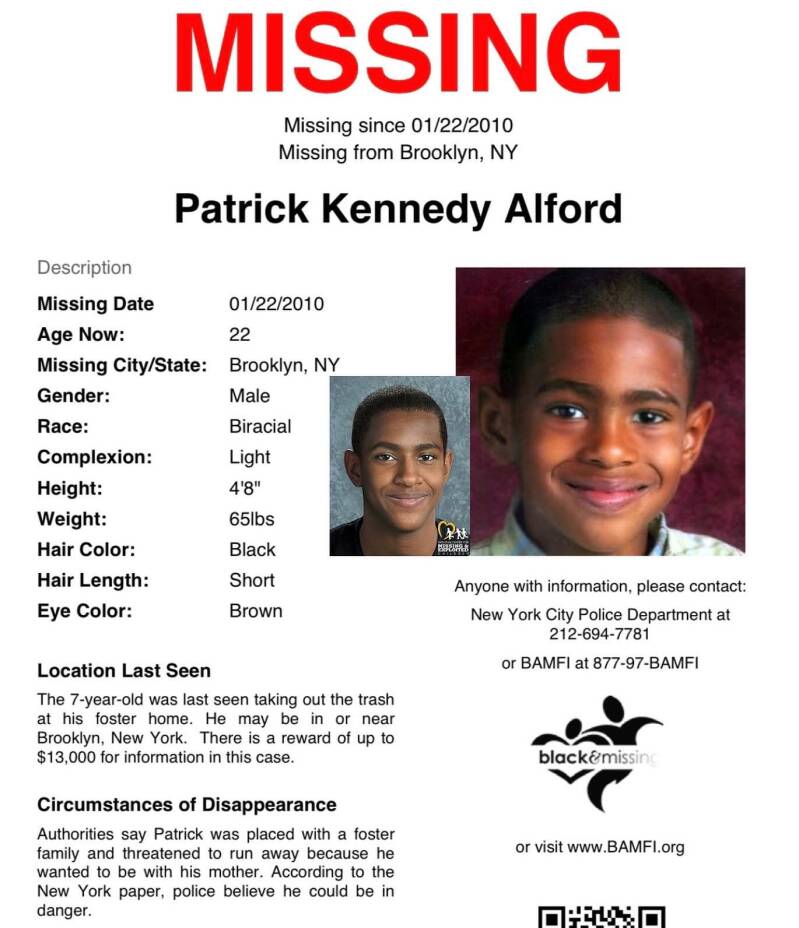
On January 22, 2010, 7-year-old Patrick Kennedy Alford Jr. was last seen in the Spring Creek Towers, a housing complex in East New York, Brooklyn. What began as a mundane moment — taking out the trash — turned into a mystery that has stretched across years, families, and fractured hope, with no confirmed resolution.
A Boy With a Name, Not Just a Case
Patrick was a young child of biracial background — Black and Hispanic — born on November 28, 2002, with black hair, brown eyes, and a scar above his left eyebrow. At the time of his disappearance, he stood about 4’8” tall and weighed around 65 pounds. He was last seen wearing a red T-shirt, blue jeans, and black and blue Michael Jordan sneakers — clothing that now exists only in images, memories, and missing-person posters.
Assigned the nickname “Lil Pee” by those who knew him, Patrick struggled with ADHD and was adjusting to living with a foster family just three weeks before he vanished. His biological mother, Jennifer Rodriguez, had temporarily lost custody after seeking help for mental health and substance use challenges — a deeply human story that would be forever complicated by what came next.
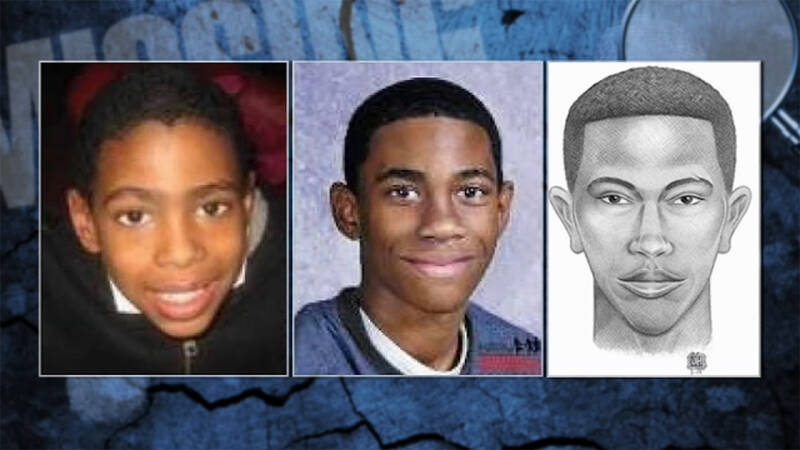
The Night He Disappeared
On that January night in 2010, Patrick and his foster mother, Librada Moran, left their 11th-floor apartment to dispose of trash. Around 9 p.m., Moran stepped away — allegedly to answer a phone call — and when she returned, Patrick was gone.
Police used canine units to follow a scent to a bus stop near the building, but that trail quickly went cold. Multiple searches were conducted — from questioning thousands of people to checking cameras, bus drivers, even waterways and parks near Spring Creek — but no confirmed trace of Patrick ever emerged.
Despite a massive investigation in the early weeks and years after his disappearance, including searches of stairwells, elevators, and nearby areas, his whereabouts remain unknown.
The Search, the Rumors, and the Silence
In the immediate aftermath, police interviewed more than 8,000 people and knocked on over 14,000 doors in the area — efforts that illustrate both the urgency and limitations of the early investigation. Interviews extended to registered sex offenders in the building and to traffic cameras and taxi and bus drivers across New York City, but none produced definitive leads.
Rodriguez’s efforts to find her son did not end with his disappearance. She described the event as the most traumatic experience of her life, noting her heartbreak at not only losing Patrick’s presence but also facing suspicion and scrutiny during the investigation. “Patrick vanished,” she said in later interviews. “Vanished.”
Family and the Federal Lawsuit
Patrick’s biological parents took legal action after his disappearance, filing a federal lawsuit against New York City, the Administration for Children’s Services (ACS), and others involved in his placement and care. They alleged negligence in his foster placement — including communication barriers that existed because Patrick spoke only English while his foster mother primarily spoke Spanish.
A settlement of $6 million was awarded and placed in trust for Patrick — a legal acknowledgment of the profound loss and disruption his disappearance caused. Yet that settlement, while significant, has not brought him home.
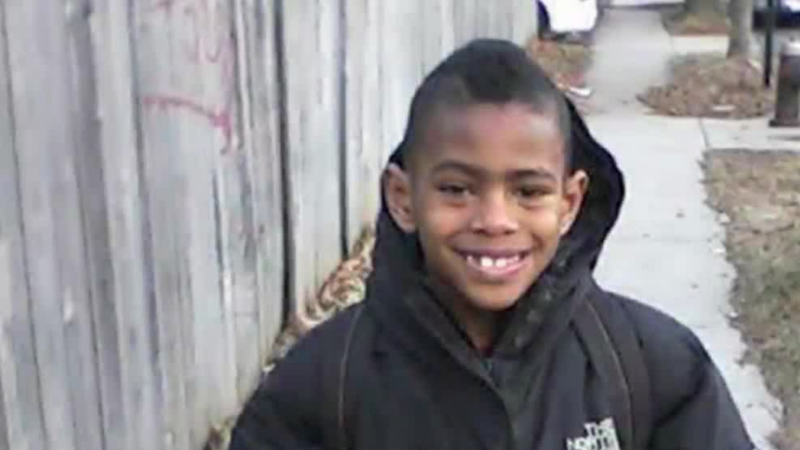
Where He Might Be Today
Police and public advocacy organizations continue to release age-progressed photos to help the public visualize what Patrick might look like today as a young adult. These images — circulated with the hope of igniting new leads — show a man in his early twenties with features that may still resemble the missing boy.
The NYPD and Crime Stoppers continue to urge anyone with information — no matter how small — to come forward. Rewards remain offered for tips leading to actionable information.
A Family’s Ongoing Loss
Years later, those closest to Patrick continue to grapple with the absence of answers. His case has never been closed — it remains active, reviewed periodically by detectives who hope that time and renewed attention might finally produce a breakthrough. “There’s always time for redemption,” one former investigator said, emphasizing that any piece of information could change everything.
For the family, the hope is unyielding: that one day, Patrick might walk through a door and the silence would finally break.
Why This Case Matters
Patrick’s disappearance is not just a cold case statistic. It’s a vivid reminder of the many children — particularly children of color — who go missing and whose stories all too often do not sustain national attention or long-term resources. His story sheds light on systemic gaps in search efforts, public awareness, and support for families left in limbo.
It also challenges us to keep looking — at the people behind the posters, at the age-progressed images, at the lives that once walked our neighborhoods and have no closure.
If You Have Information
If you believe you have information about Patrick Alford Jr., please contact:
- NYPD Crime Stoppers: 1-800-577-TIPS (8477)
- Submit anonymous tips at CrimeStoppers.com
- Reference NamUs case #MP5427 and the NCMEC ID 1139843 when providing tips.
No lead is too small. Someone, somewhere, might hold the key to finally bringing Patrick home.
Add comment
Comments
I think about cases like this all the time. It’s terrifying how someone can just vanish and the world keeps moving. His family has been living in limbo for years and that’s something people don’t talk about enough.
What gets me is how little follow-up there seems to be once the initial search ends. After a while it feels like families are left to investigate on their own, and that shouldn’t be how this works.
I don’t believe this was random. Too many things don’t add up, and it feels like someone knows more than they’re saying. I hope someone finally comes forward.
Cases like this remind me how broken missing persons investigations can be, especially when adults disappear. The urgency fades fast, and that’s dangerous.
Reading this made my heart sink. Even if years have passed, his life still matters. His name still deserves to be said and remembered.
I try to keep an open mind, but it’s hard not to feel like early mistakes may have cost this case critical answers. I really hope the family gets closure one day.