By Yasmin Chaudhary — The Inkwell Times
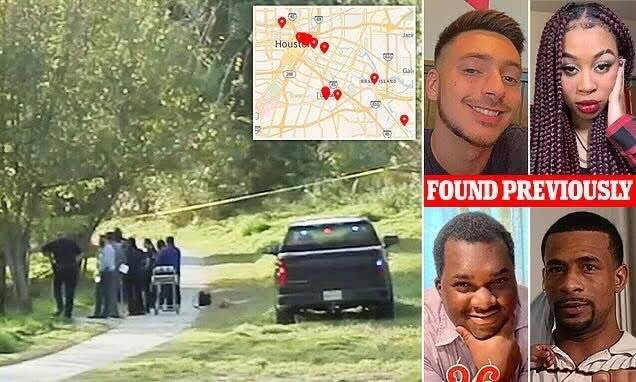
In late 2025, Houston residents and social media users were shaken by a grim tally: 34 bodies recovered from the city’s bayous over the course of the year, a number nearly matching the previous year’s total. The discoveries — in Buffalo Bayou, Brays Bayou, White Oak Bayou and other waterways — have ignited fear, speculation, grief, confusion, and a fierce online debate over whether there might be a serial killer stalking the waterways of Texass largest city.
Local authorities have been adamant: there is no evidence pointing to a serial killer, and the deaths represent a complex mix of accidental drownings, deaths involving vulnerable populations, and cases that currently remain medically “undetermined.” But many residents are skeptical — and wonder whether officials should have sounded the alarm far earlier.
The Numbers That Sparked Alarm
As of December 2025, 34 bodies have been recovered from Houston-area bayous this year alone — nearly matching 2024’s 35 and adding to a growing multi-year trend of bayou deaths.
Reports show dive teams and police regularly responding to calls from passersby who find bodies in or near the water:
- One recent discovery was made by a pedestrian who saw a body in Buffalo Bayou, prompting a dive team recovery.
- Earlier that same week, two other bodies were recovered from Buffalo and Brays Bayous.
According to the Harris County Institute of Forensic Sciences, nearly 200 bodies have been found in Houston’s waterways since 2017, a number that highlights the bayous’ long history as sites where people are discovered after death.
Official Response: No Serial Killer, Just Tragedy
Despite widespread online speculation — including on social media platforms and true-crime forums — Houston officials have repeatedly denied there is any evidence of a serial killer operating in the area. Harris County District Attorney Sean Teare made an emphatic statement in late December: “There is nothing, nothing … to indicate that there is someone operating here as a serial killer.”
Officials point out several factors that make the bayous inherently dangerous and prone to accumulating bodies:
- Houston’s expansive network of over 2,500 miles of waterways makes it easy for those in distress to become trapped or lost in swift current or debris.
- Mental health crises, substance use, homelessness, and accidental drownings are significant contributors — especially when people are intoxicated or in vulnerable situations near the water.
Mayor John Whitmire echoed the message that fear and online rumors should not drive public perception, emphasizing the need to focus on verified information and careful investigation.
Medical examiner records also show that many of these cases end up classified as “undetermined” while investigations continue — meaning officials cannot yet say definitively how those individuals died.
Why People Fear a Serial Killer
Nevertheless, ordinary residents and online communities have been vocal about their doubts. For some, the raw count — three bodies found in one week, dozens overall in 2025 — simply doesn’t “math.”
Voices on social platforms and in local discussion threads argue that patterns seem unusual: concentration in certain waterways, repeated annual spikes, and deaths occurring in similar locations. Some point to historical nightmares like the Texas Killing Fields — a stretch southeast of Houston where dozens of bodies were found over decades in the late 20th century — as evidence that Texas has seen its share of hidden violence.
Academic and public discourse — as well as true-crime fan communities — reflect anxiety and skepticism, with some asserting that investigations should have transitioned more quickly into task-force or serial-crime territory. But law enforcement officials counter that serial killers leave discernible patterns, victim profiles, and connections that have not emerged here.
The Question of Detection — When Should Serial Be a Consideration?
One of the most controversial aspects of this unfolding story is the question: Should authorities have considered a serial killer after the third body was found?
Experts who study serial crimes note that geographic clustering, repeated locations, and proximity of deaths can sometimes signal a single perpetrator — but only when other elements align. Patterns such as similar victim profiles, consistent methods of killing, or links between victims are typically necessary before suspects are classified as linked homicides.
In the bayou cases so far, many bodies appear to represent a mix of circumstances: confirmed drownings, possible suicides, accidental falls, and multiple undetermined deaths that lack clear forensic evidence of foul play.
The absence of prefix indicators such as similar victim demographics or cause of death complicates any claim of a connected killer. That said, for ordinary residents watching three, five, or ten bodies turn up along the same waterways over a short span, the pattern feels ominous — and perhaps long overdue for deeper forensic coordination.
Broader Issues — Not Just a Bayou Problem
Despite the official stance, the public outcry underscores deeper issues in Houston:
- Homelessness and vulnerability: Many people found in bayous may be unhoused or struggling with addiction or mental health issues. These populations are at higher risk of accidental death but also can disappear without strong community ties.
- Undetermined investigations: Large numbers of undetermined causes of death leave families without closure and room for speculation.
- Systemic trauma and fear of unexplained deaths: When communities don’t feel seen or heard by official channels, they fill the gaps with their own narratives — sometimes fueled by fear, distrust, or history.
These issues contribute to an atmosphere where people question whether the system is prepared for real patterns of violence — or whether real signals get lost in bureaucratic noise.
What Comes Next?
Authorities continue to stress that every death discovered in the bayous is investigated on its own merits. Coroners conduct autopsies, police explore leads, and sheriff divers recover remains when called. Meanwhile, families and neighbors hope for more transparency and answers.
For now, the bayous — Buffalo, Brays, White Oak and others — remain both a place of natural beauty and tragic loss. Whether the public’s instinct toward connecting these deaths reveals something deeper or reflects collective grief and fear is an open question — one that will likely shape discourse about Houston’s waterways for years to come.
Sources
News reporting from KPRC Click2Houston, Houston Chronicle, People.com, and coverage of social reaction and official statements surrounding the bayou deaths and serial killer speculation.
Add comment
Comments
I don’t think this points to a serial killer. Houston has miles of waterways, a huge population, and a lot of risk factors — homelessness, mental health crises, intoxication, accidents. When bodies are found in water, people immediately jump to the most frightening conclusion. I think what’s really being missed is infrastructure failure and lack of mental health support, not a single person behind all of this.
I’ve lived in Houston my whole life, and this doesn’t feel random anymore. Thirty-four bodies in waterways is not normal. Even if some deaths were accidents, the pattern of where people are found, how long it’s gone on, and how quickly cases are ruled inconclusive feels wrong. Something — or someone — is being overlooked, and the public deserves clearer answers.