By Yasmin Chaudhary — The Inkwell Times
NAVASOTA, Texas — March 10, 2017
Fredzania “Zanie” Thompson was 19 years old, a young woman brimming with potential, ambition, and dreams. A standout athlete in high school, a natural beauty with a gift for style and artistry, and a loving daughter and sister, Zanie was on the cusp of beginning a new chapter in her life when a tragic accident took her life far too soon.
Early Life and Aspirations
Raised in the small Texas city of Navasota, Zanie had already made a mark in her community. She graduated from Navasota High School in 2015, where she excelled as a volleyball player, earning scholarships and earning recognition for both her athleticism and leadership. Friends and family also knew her as someone who cared deeply about her appearance, her creative expression, and her loved ones — especially her younger siblings, who looked up to her as a role model.
After high school, Zanie enrolled at Blinn College in Bryan, Texas. But her ambitions extended beyond academics. She had begun to pursue a modeling career, hoping to one day translate her confidence, charisma, and natural beauty into professional opportunities in fashion and photography.
A Moment That Changed Everything
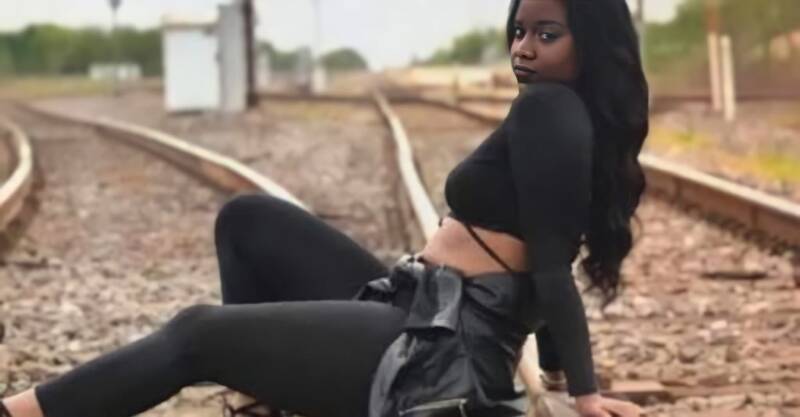
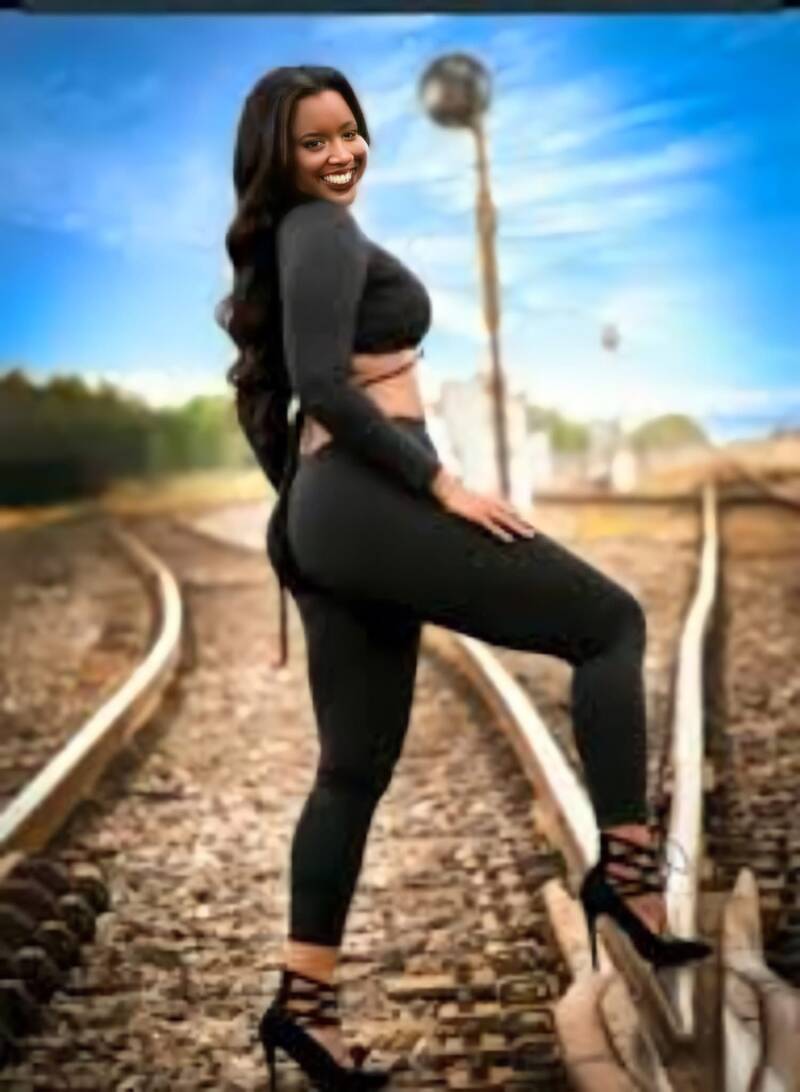
On March 10, 2017, Zanie and a friend prepared for a photo shoot in downtown Navasota — a shoot intended to help build her modeling portfolio. A set of train tracks near Hollister and Lee Street was chosen as the backdrop, a location that many photographers find visually striking but that carries inherent risk due to the regular passage of freight trains.
At around midday, Zanie stood with her photographer between two parallel sets of tracks — one used by Burlington Northern Santa Fe Railway trains and the other by Union Pacific freight trains.
According to law enforcement and railway officials, a BNSF train approached first. Zanie stepped off its track to avoid it, intending to get clear. But she did not see a second train approaching from the opposite direction on the adjacent Union Pacific track. As that train neared, she was unable to get out of its path in time.
Emergency responders transported her to a nearby hospital, but she was pronounced dead shortly thereafter. She was three days shy of her 20th birthday.
The Human Story Behind the Tragedy
Zanie’s death was not just a headline. It was a loss felt deeply by her family, friends, and community — and a stark reminder of how quickly life can change.
Her fiancé, Darnell Chatman, 25, spoke about the couple’s excitement and plans, revealing that they had recently learned she was about four weeks pregnant with their first child. He shared how Zanie had called him to tell him he was going to be a father, news that should have been joyful but became painfully irretrievable.
Her mother, Hakamie Stevenson, remembered Zanie as more than just a dreamer — she saw her daughter as free-spirited, friendly, and someone who could light up a room. Friends described her as goofy, generous, and genuine, someone who never met a stranger and always had a welcoming presence.
The Aftermath and Legacy
The impact of Zanie’s death rippled through her hometown. Friends, family, and classmates gathered at the site of the accident on what would have been her birthday, leaving balloons, flowers, candles, and photographs in her memory. A GoFundMe campaign was organized to help cover funeral expenses, and a funeral service was held at Brosig Auditorium in Navasota, followed by burial at Oakland Cemetery.
Community members also reflected on the risks of photoshoots near train tracks — a location that, while cinematic, is inherently dangerous. Union Pacific officials noted that their crews sounded horns and began emergency braking upon seeing Zanie and the photographer on the tracks, but a train’s momentum and proximity made a collision unavoidable.
Train engineers can see crossings and people on the tracks from a distance, but trains take long distances to stop — measures far beyond what a person can realistically anticipate when in close proximity.
Remembering Zanie
Zanie was more than a statistic. She was a young woman with goals, relationships, and stories still unfolding. Her family’s grief was compounded by the loss of both her life and the life she carried. Friends shared pictures of her last moments, capturing her radiant smile just before the accident — a poignant reminder of the person she was, not just how she died.
Her legacy lives on through the memories of those who knew and loved her — her laughter, her warmth, and the potential that she carried into every room she entered.
When Train Tracks Become a Point of No Return
Stories like Fredzania Thompson’s are often framed as tragic accidents — isolated moments of misjudgment frozen in time. But for many families, train tracks are not just a backdrop to tragedy. They are a recurring, preventable point of loss.
In March 2023, I lost my best friend — my soul sister — Makayla. She died after stepping in front of a train. The shock of that loss is something that never truly settles. Dates blur. Details fracture. What remains is the permanent absence of someone who should still be here.
Train-related deaths fall into a painful pattern: people distracted, people taking photos, people underestimating speed and distance — and people who are quietly battling despair. What these situations share is access. In many parts of the United States, train tracks remain dangerously exposed, with minimal barriers, limited fencing, and few physical deterrents to stop someone from stepping onto the rails in a moment that cannot be undone.
Other countries have recognized this risk and responded with infrastructure changes — barriers, restricted access points, surveillance, and crisis intervention measures in high-risk areas. In contrast, much of the U.S. continues to rely on warning signs and personal responsibility alone, even as deaths continue to mount.
Fredzania Thompson was only 19 years old. She was full of promise, talent, and plans for a future she never got the chance to live. Makayla was loved beyond measure. These losses are not just personal tragedies — they are reflections of a broader failure to protect people at their most vulnerable moments.
Remembering Fredzania means more than sharing her final photograph. It means asking why train tracks remain so accessible, and how many lives might still be saved if safety were treated as a priority rather than an afterthought.
Add comment
Comments
This really hit close to home. My family lost my brother when we were kids because he was playing near train tracks. People are quick to judge situations like this, but unless you’ve lived it, you don’t understand how fast things can turn tragic.
Reading Zanie’s story brought all of that back. It’s not about blame — it’s about how dangerous train tracks are and how little protection there is. I wish more people talked about prevention instead of just moving on to the next headline.